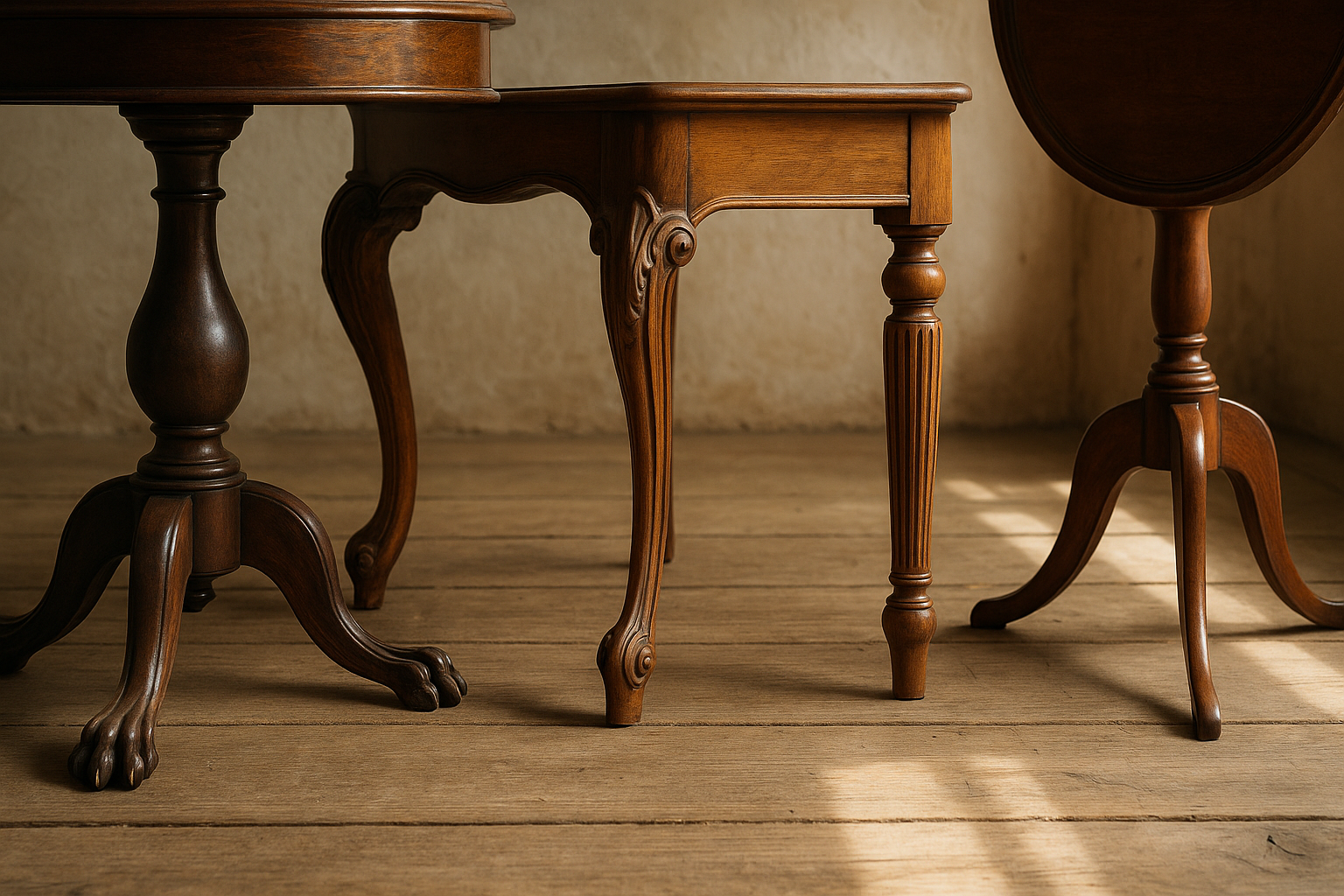
Identifying antique furniture can be a rewarding endeavor, particularly when you focus on the legs. The style, shape, and construction of furniture legs often provide vital clues about the piece's period and authenticity. Whether you're a seasoned collector or a casual enthusiast, understanding these nuances can enhance your appreciation and valuation of antique furniture.
The Importance of Furniture Legs in Identification
Furniture legs are more than just supports; they are statements of style and craftsmanship. Different periods in history had preferred leg styles, each reflecting the artistic and functional sensibilities of the time. By examining these elements, collectors can determine the age, origin, and sometimes even the maker of a piece.
Common Styles of Antique Furniture Legs
Here are some of the most recognized leg styles you might encounter:
- Cabriole Legs: These S-shaped legs are typical of the Queen Anne and Chippendale styles, popular in the early 18th century. The cabriole leg is characterized by its elegant curve and often ends in a foot resembling a claw or paw.
- Turned Legs: Found in Jacobean and William and Mary styles, these legs are shaped using a lathe, giving them a rounded, symmetrical appearance. They were popular from the late 16th to early 18th centuries.
- Tapered Legs: A hallmark of the Federal and Hepplewhite styles, these legs are slender and gradually narrow towards the bottom. This style gained prominence during the late 18th and early 19th centuries.
- Ball and Claw Feet: Often associated with the Chippendale style, these feet feature a carved claw grasping a ball, symbolizing strength and elegance.
- Spade Feet: Typically found on Sheraton and Hepplewhite pieces, spade feet are a simple, flattened design that flares slightly at the base.
Identifying Period and Style Through Leg Details
Understanding the finer details of leg construction can help you pinpoint the period of your furniture piece. For instance, the use of dovetail joints, the type of wood, and the finish can all provide valuable insights.
| Period | Common Leg Styles | Characteristics |
|---|---|---|
| Queen Anne | Cabriole | Graceful curves, pad or club feet |
| Chippendale | Cabriole, Ball and Claw | Intricate carvings, robust construction |
| Federal | Tapered, Spade | Elegant, minimal ornamentation |
| Victorian | Turned, Scroll | Heavily ornamented, often dark woods |
Using Modern Tools for Identification
Today, technology offers new ways to assist in identifying antique furniture. The Antique Identifier app is a fantastic tool for capturing and analyzing furniture features, including leg styles, to provide historical context and valuation insights.
Conclusion
By focusing on the legs, you can unlock a wealth of information about antique furniture. Whether you're looking to buy, sell, or simply admire, understanding these stylistic elements will enhance your experience and knowledge. For further reading on related topics, consider exploring our guides on identifying hallmarks and British silver assay offices.
Frequently Asked Questions
What are cabriole legs?
Cabriole legs are S-shaped legs with elegant curves, commonly ending in a claw or paw foot, popular in the Queen Anne and Chippendale styles.
How can I identify a Chippendale piece?
Look for cabriole legs, ball and claw feet, and intricate carvings. Chippendale furniture often features robust construction and ornate details.
What tools can help identify antique furniture?
The Antique Identifier app can analyze features, including leg styles, providing historical context and valuation insights.
Why are furniture legs important in identification?
Leg styles reveal the piece's period and style, offering insights into its age, origin, and sometimes the maker.
What are tapered legs?
Tapered legs are slender legs that gradually narrow towards the bottom, typical of the Federal and Hepplewhite styles.