
The Journal
Notes on silver & its marks
-
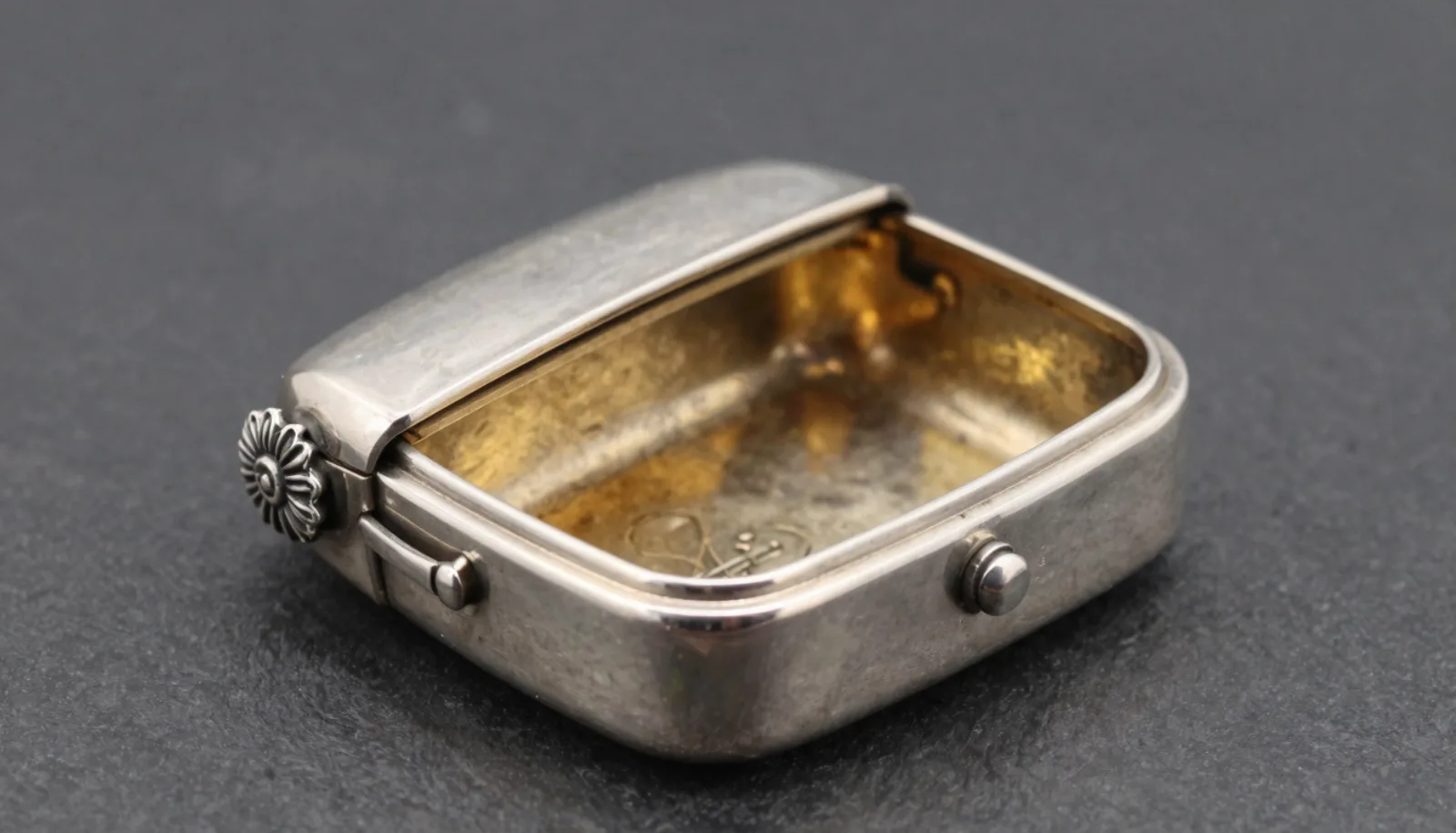
Antique silver snuff box value: 1750-1900
The typical antique silver snuff box sells for £150 to £600, while Nathaniel Mills castle-tops reach £1,500 to £6,000. Maker and condition decide the gap.
-
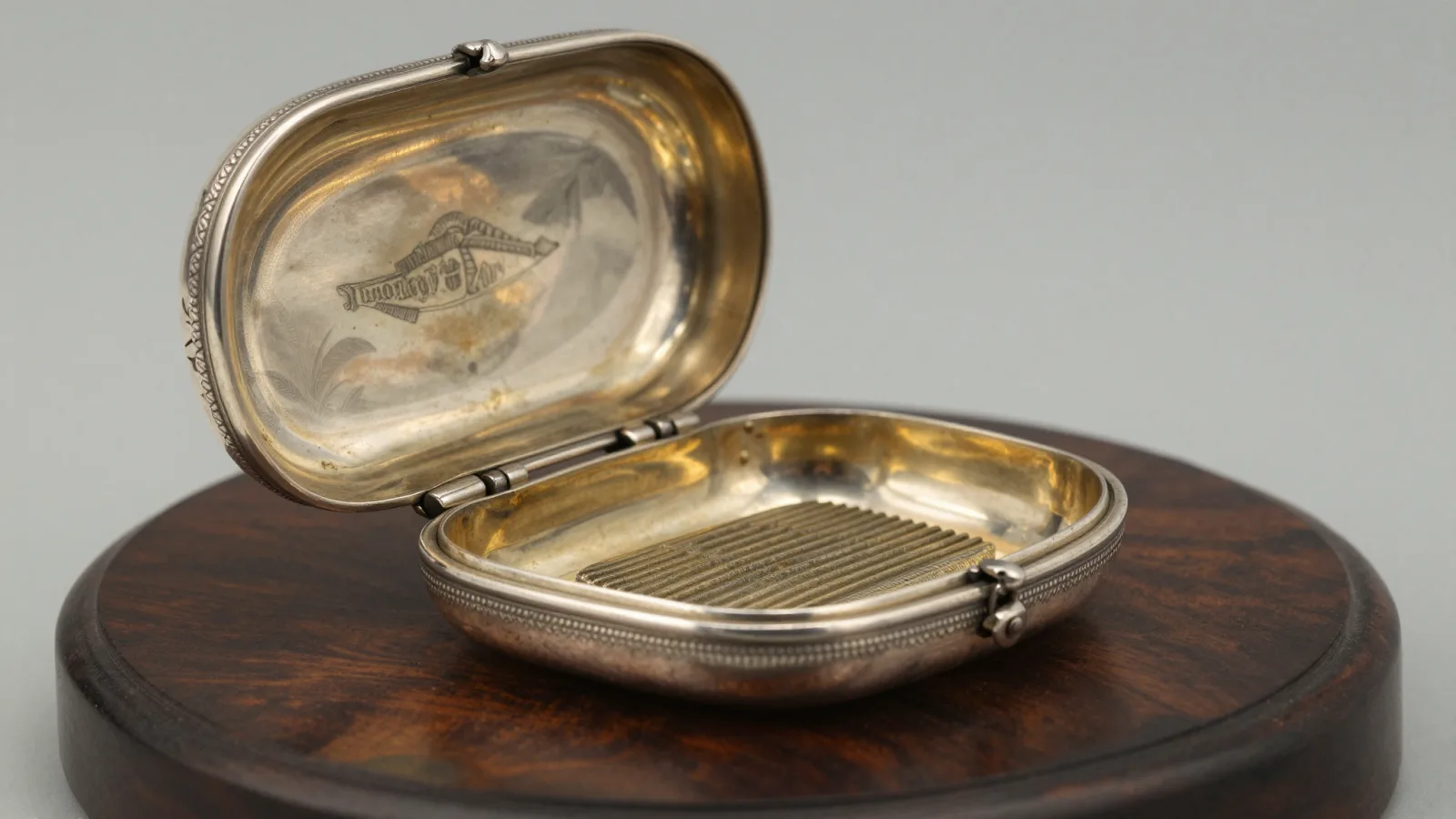
Silver vesta case values: £40 to £2,000
Most silver vesta cases sell for £40 to £150, but Sampson Mordan novelty shapes pass £2,000. The hallmark, the maker, and the form decide the band.
-
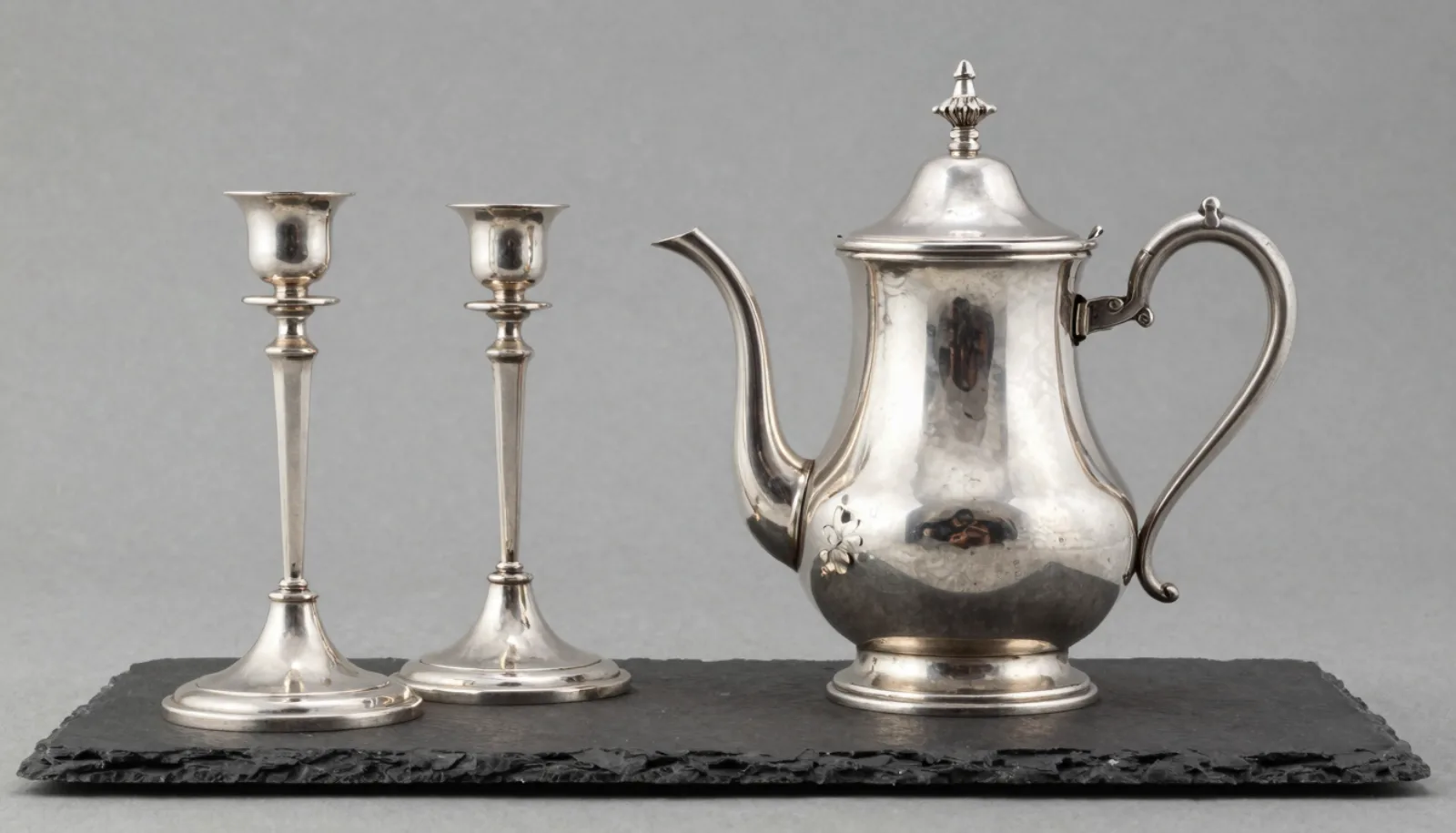
Georgian silver value: why 1714-1830 sells
Georgian silver (1714-1830) sells for two to four times comparable Victorian prices. Heavier gauge, hand-raising, and attrition drive the premium.
-
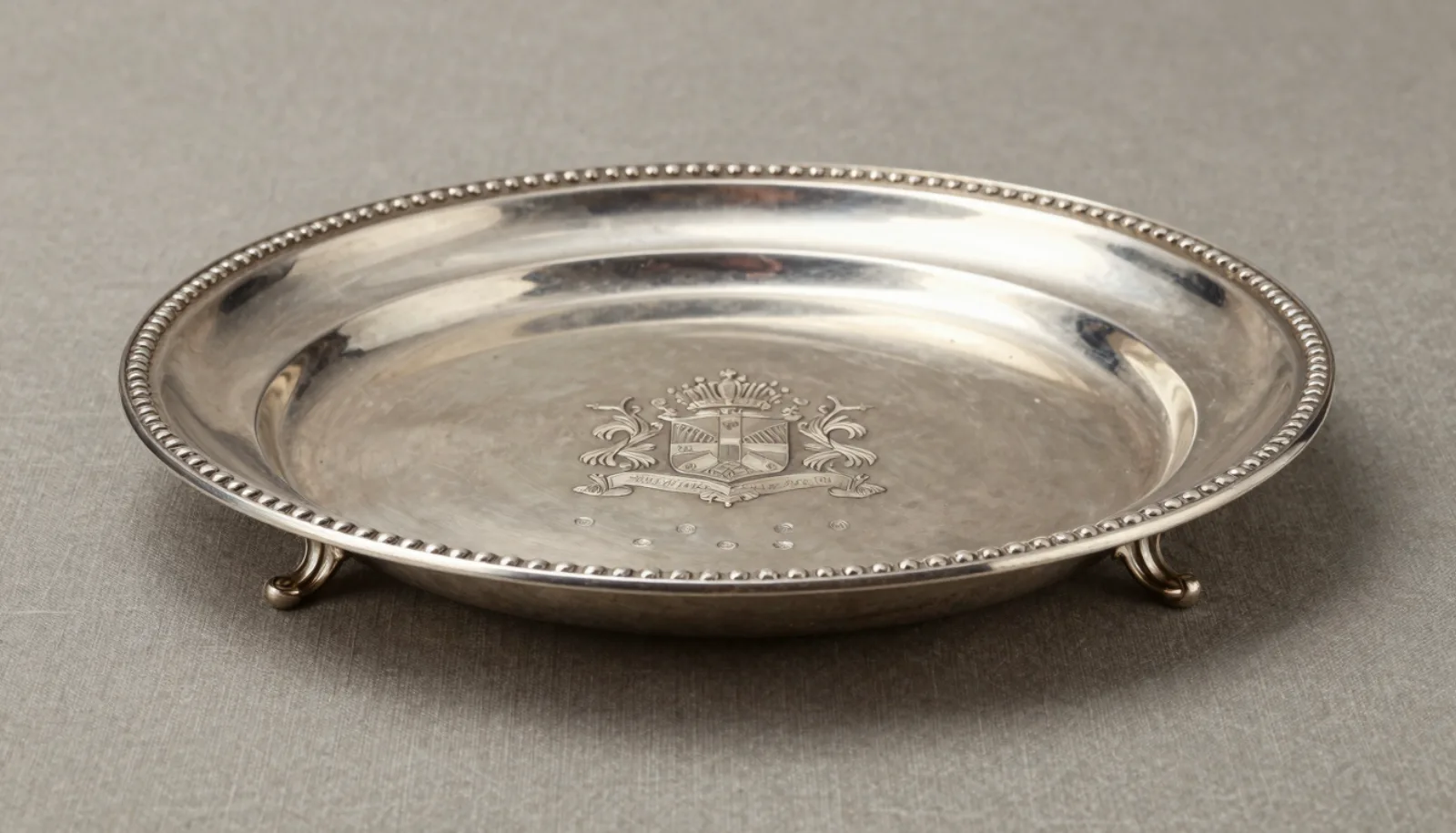
Antique silver tray values: £60 to £6,000
Most antique silver trays sell for £60 to £6,000. Sterling or plate, size, and maker set the band; large Georgian tea trays hold the top.
-
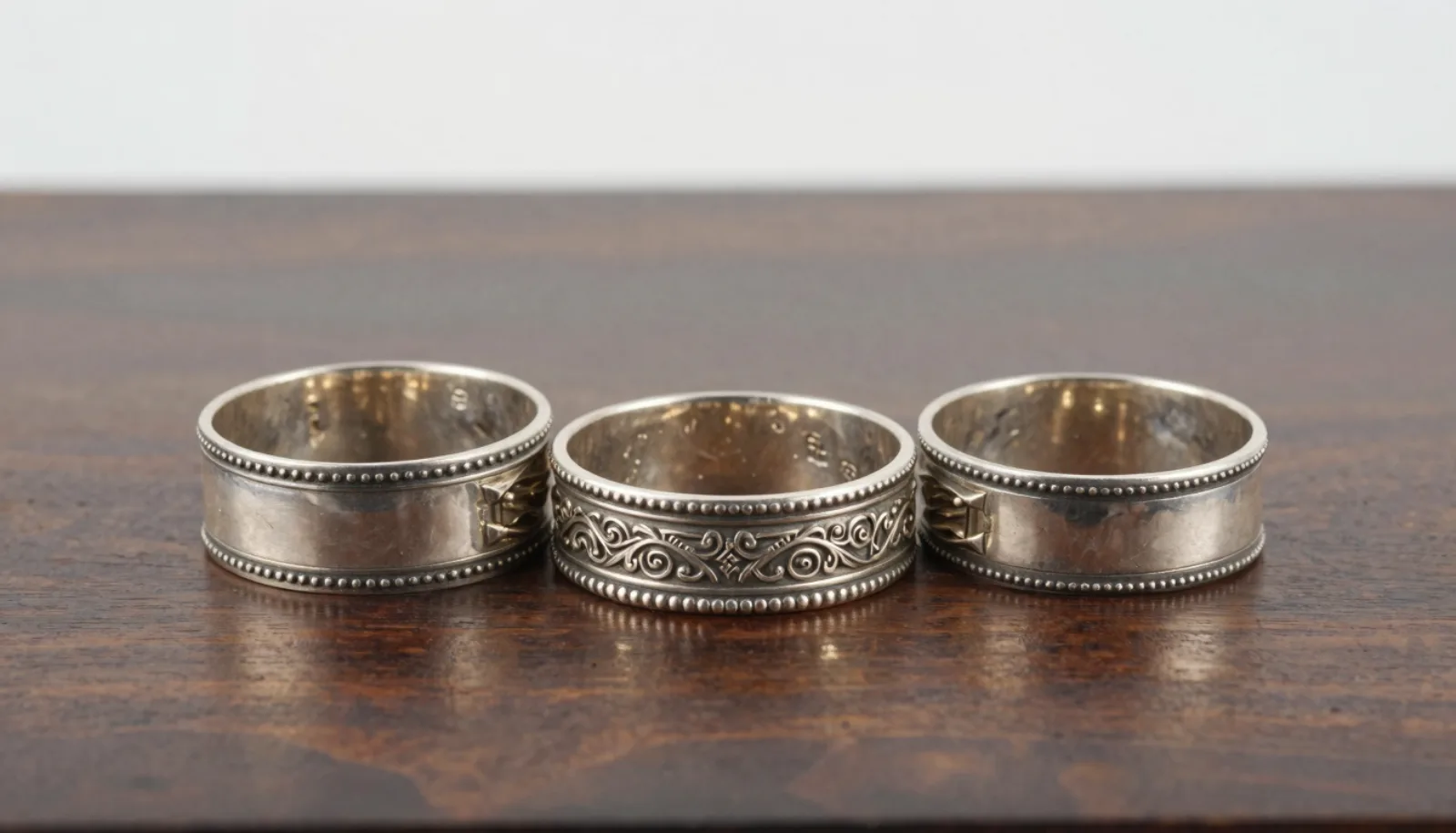
Silver napkin ring values by maker and mark
Most antique sterling silver napkin rings sell for £20 to £150 each. Named makers, cased sets of six, and pre-1900 hallmarks push prices past £400.
-
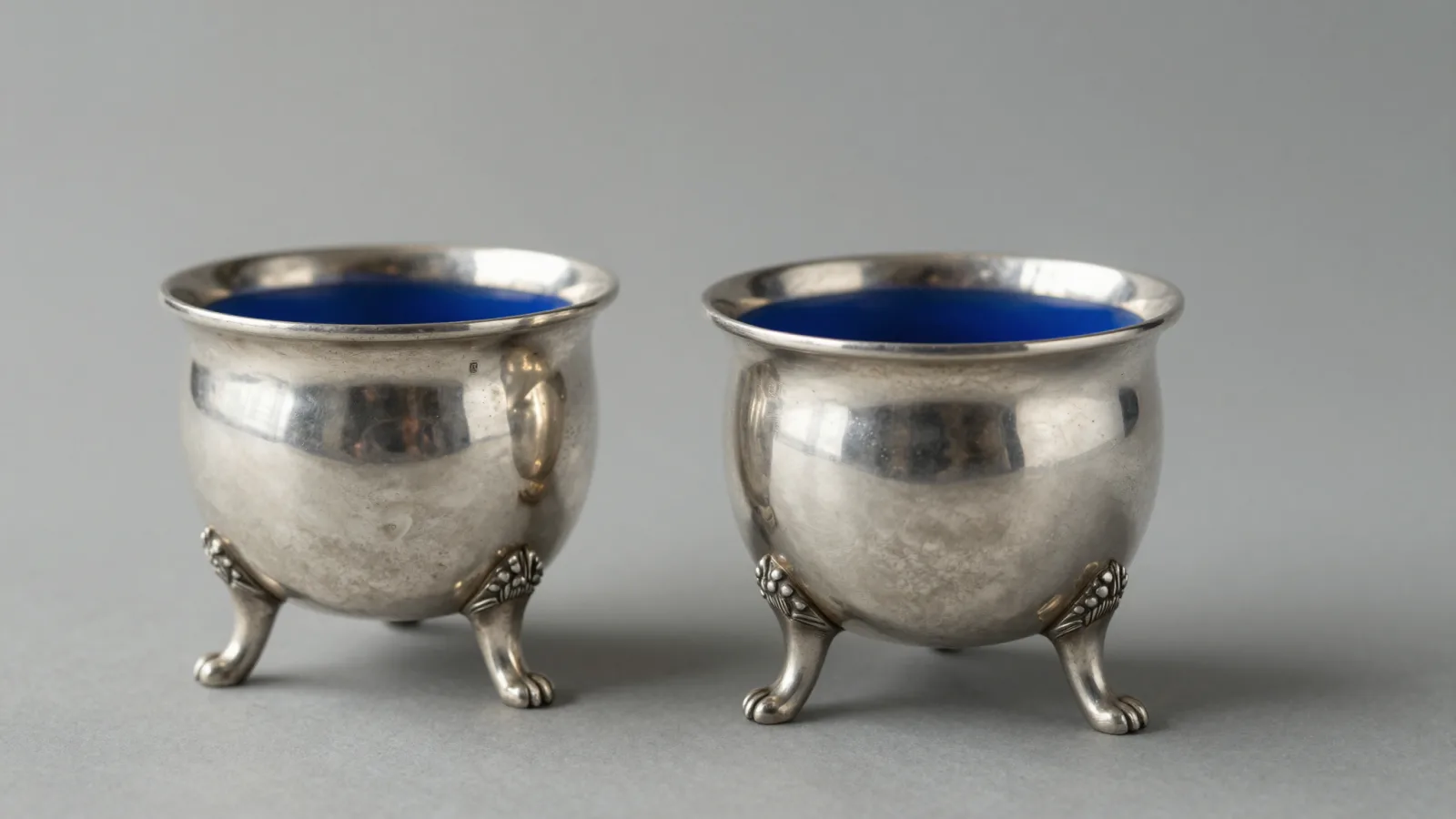
Antique silver salt cellars and their value
Most antique silver salt cellars sell for £30-£300 each. Pairs by named Georgian makers reach £1,000 or more. The marks decide which end you land on.
-
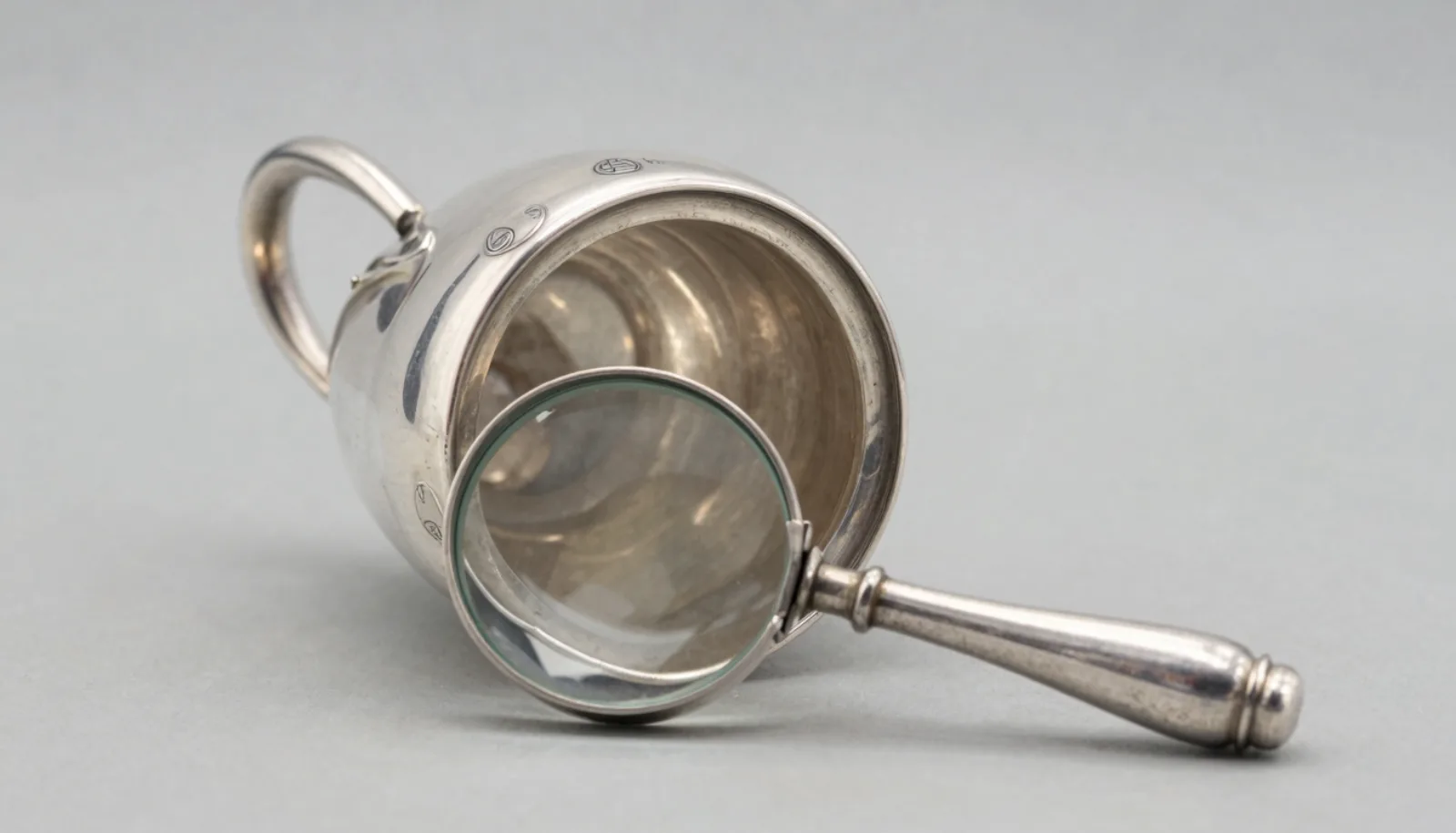
What a Silver Hallmark Is Worth to Buyers
A silver hallmark is worth nothing on its own; it is worth what it proves. Maker, date, and assay office can lift a piece 30-200% above melt value.
-
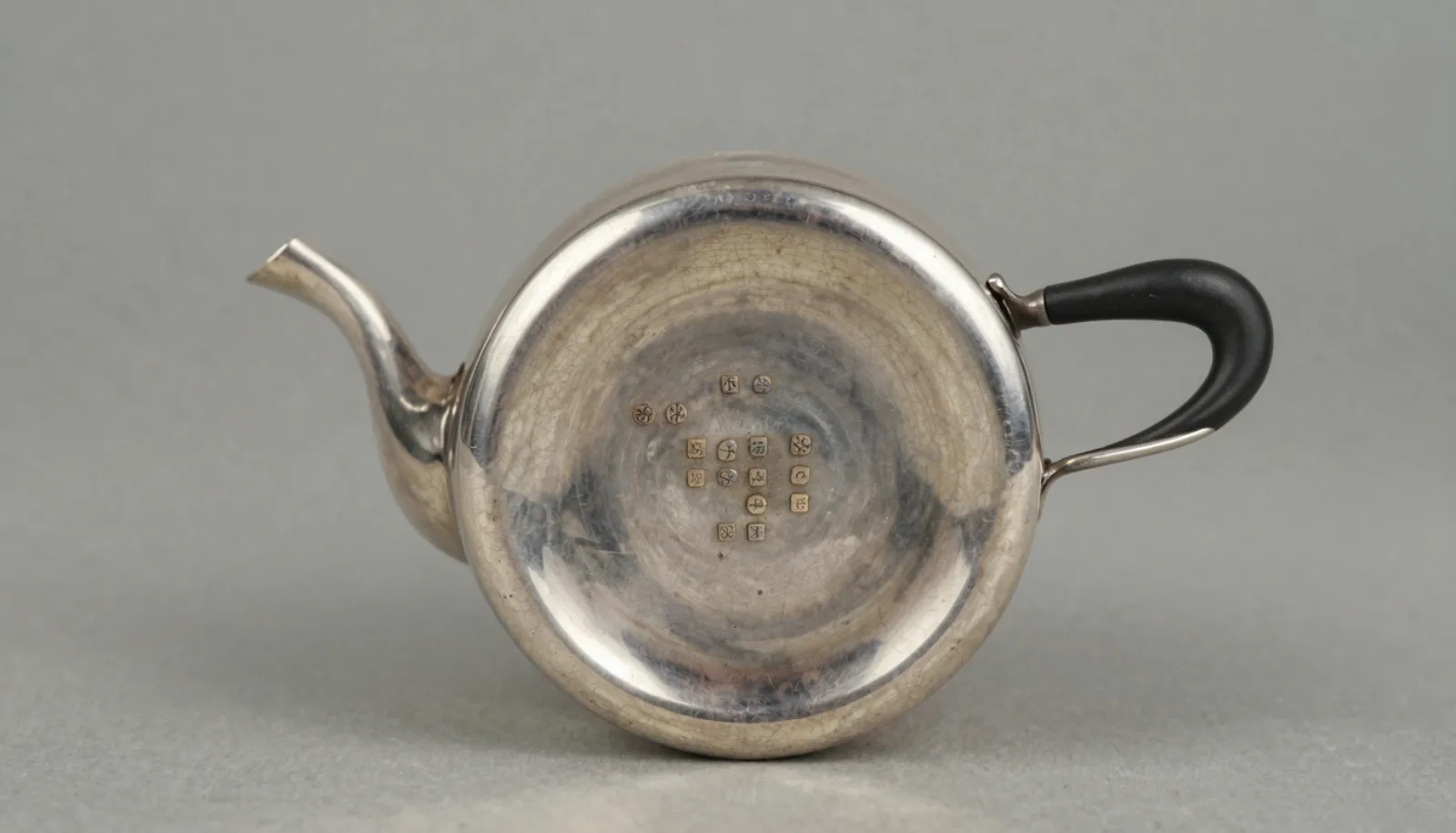
Atkin Brothers silver marks explained
Atkin Brothers marks date from 1853 to 1958. AB with a crown and date letter means sterling. AB with EPNS means Sheffield electroplate, not solid silver.
-
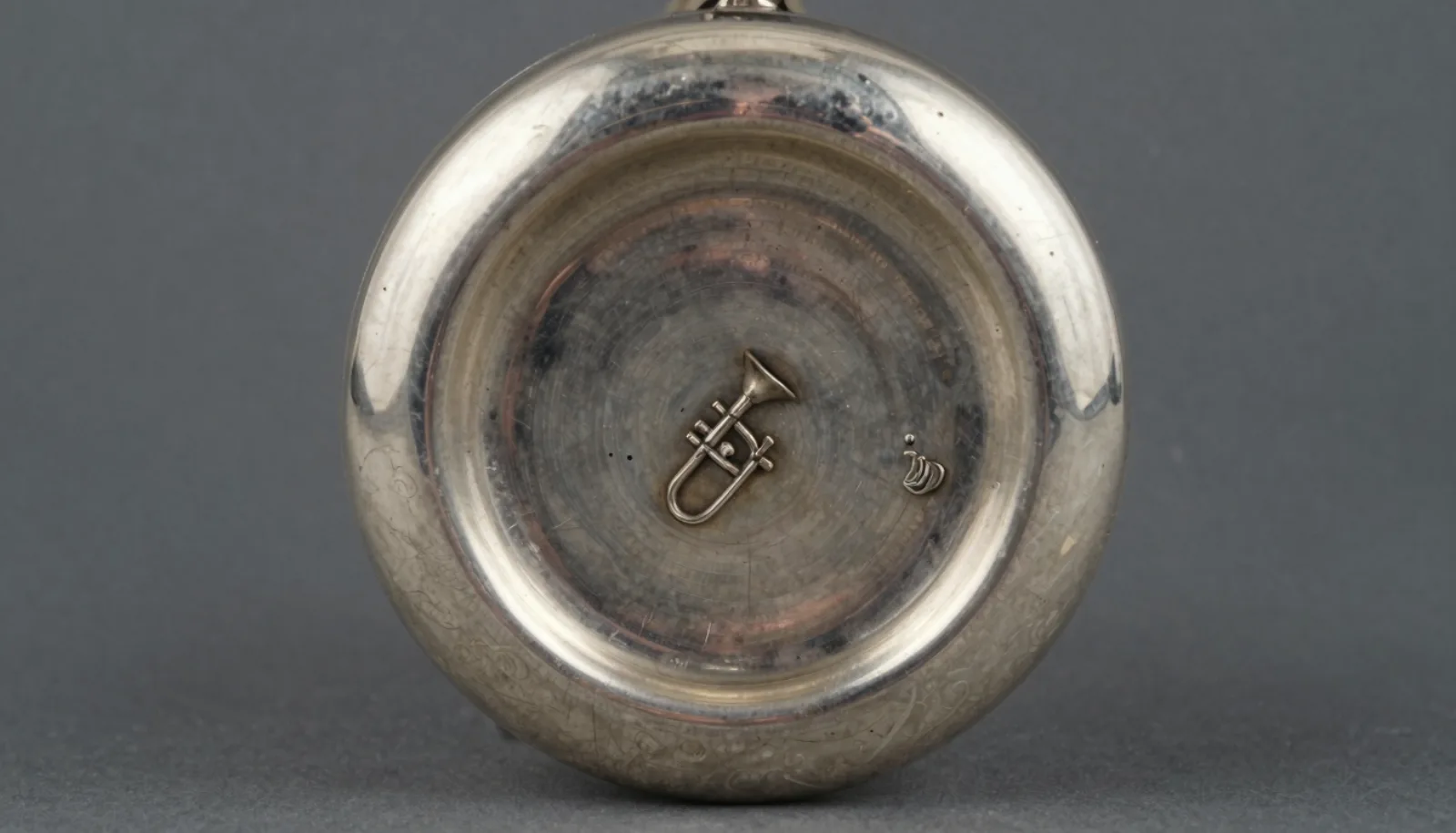
James Dixon and Sons silver marks guide
James Dixon and Sons marks span pewter, Britannia metal, electroplate and sterling. The trumpet-and-banner stamp dates a piece to 1879 or later.
-
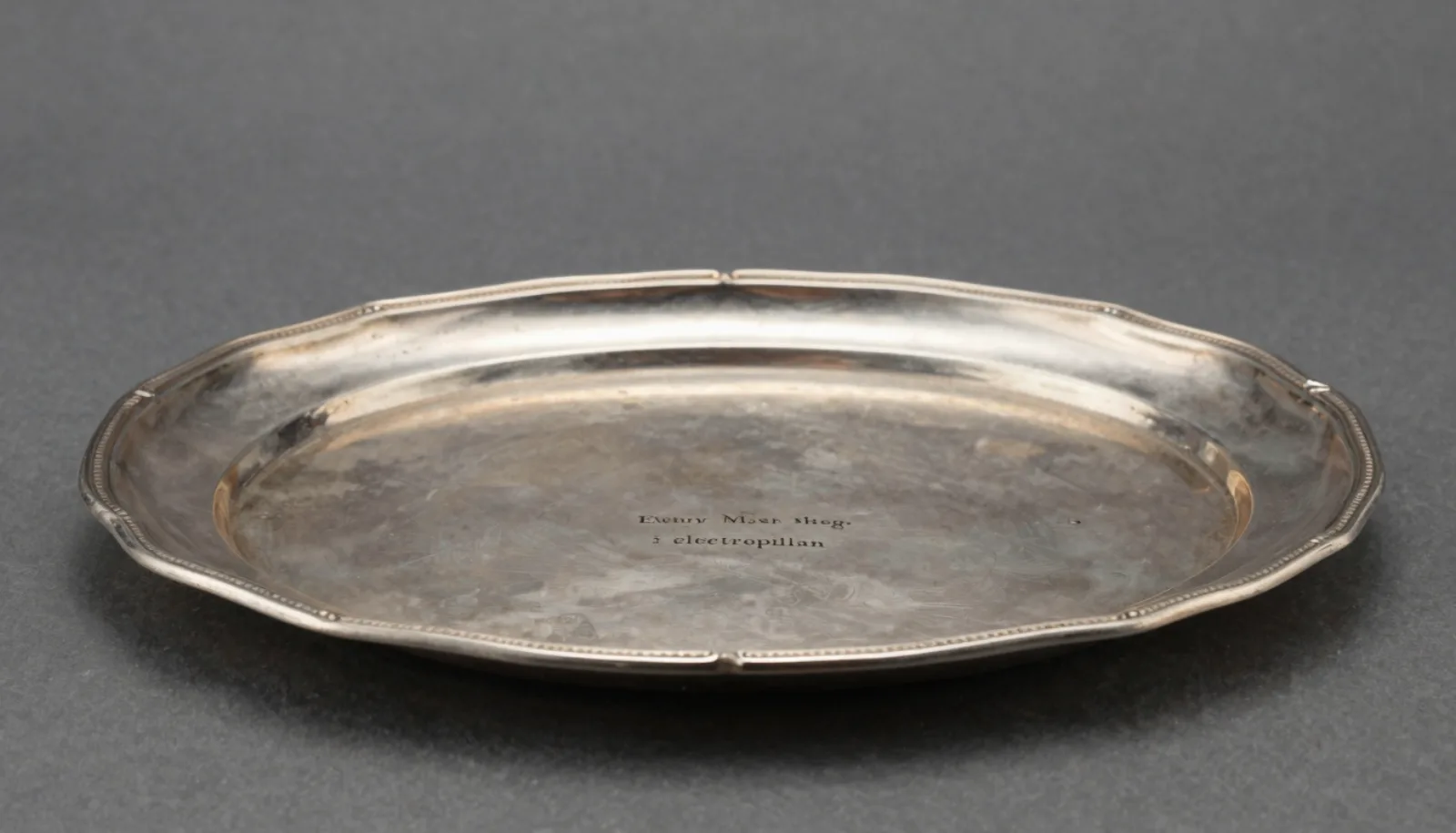
Mappin and Webb marks: Prince’s Plate
Mappin and Webb marks identify the maker, not the metal. Prince’s Plate is their electroplate line; sterling pieces carry full British hallmarks.
-
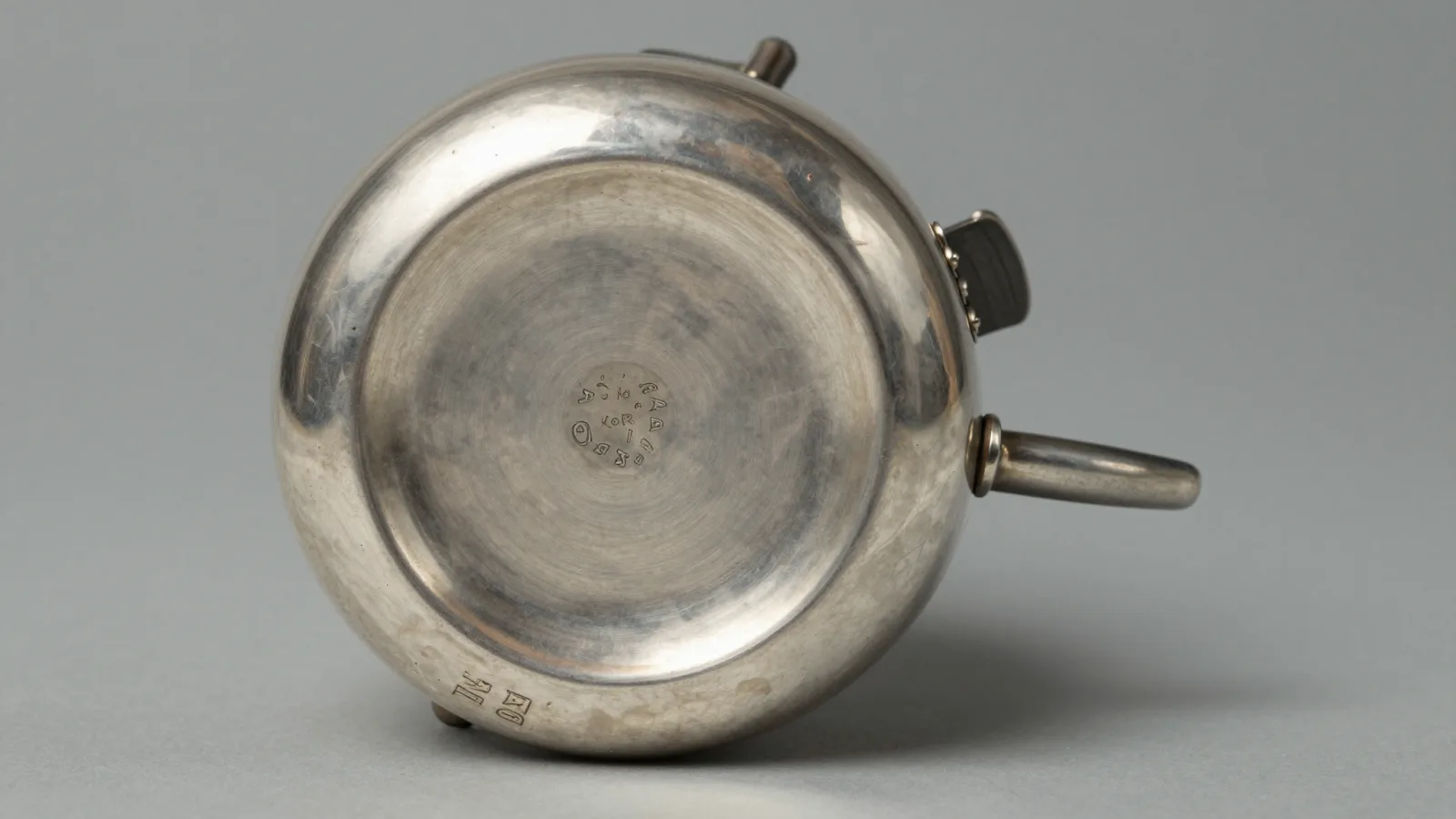
Walker and Hall Marks: Flag and Numbers
The Walker and Hall flag mark is a pennant holding the letters W&H. Sheffield firm, 1845 to 1971. The numbers beside it are sequence numbers, not dates.
-
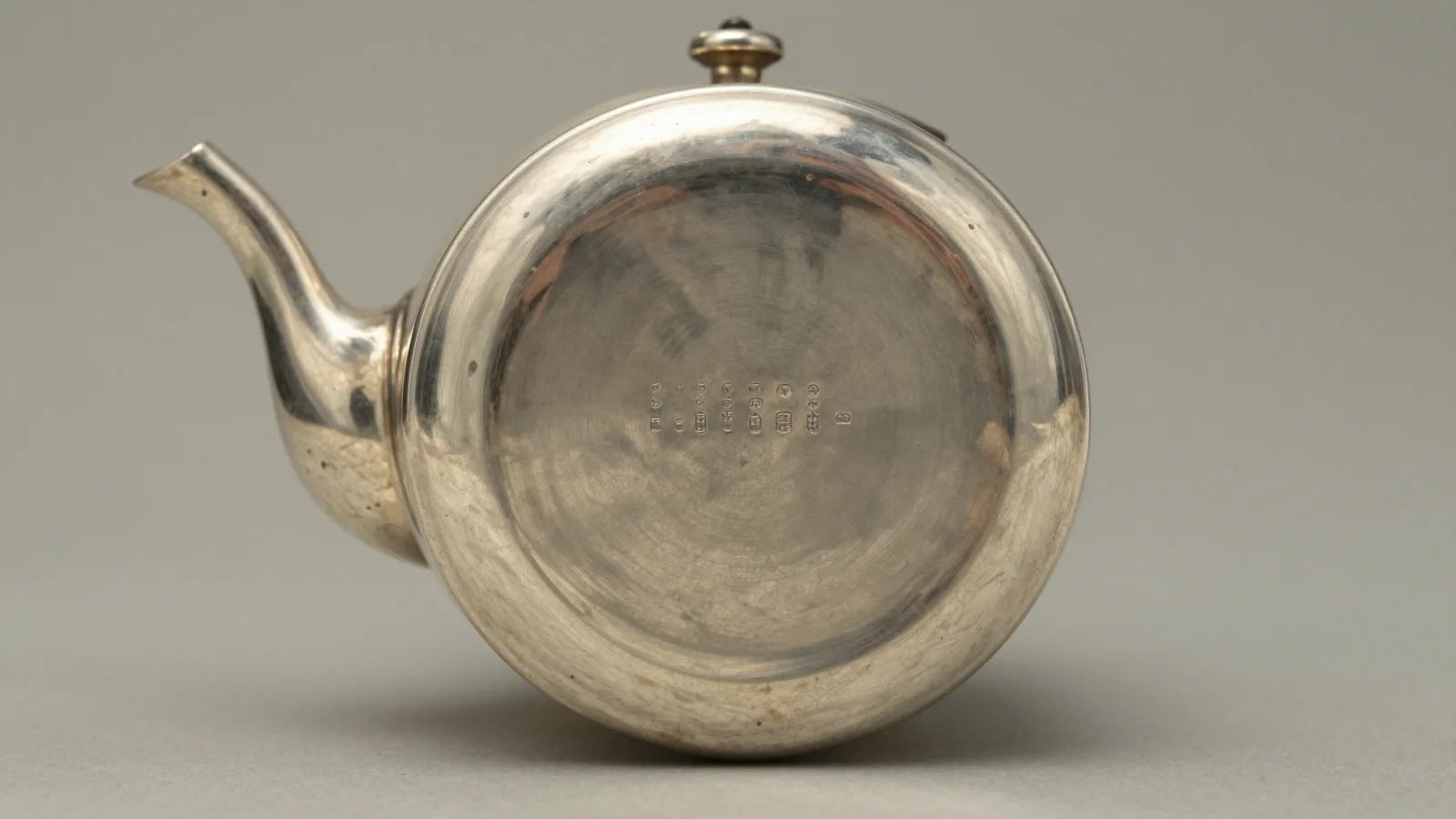
Elkington silver plate marks and dating
Elkington date letters follow the firm’s own private cycle, not the assay office system. Numbers 1 to 8 mark 1841-1848, letters from 1849 on.