
The Journal
British Hallmarks
-
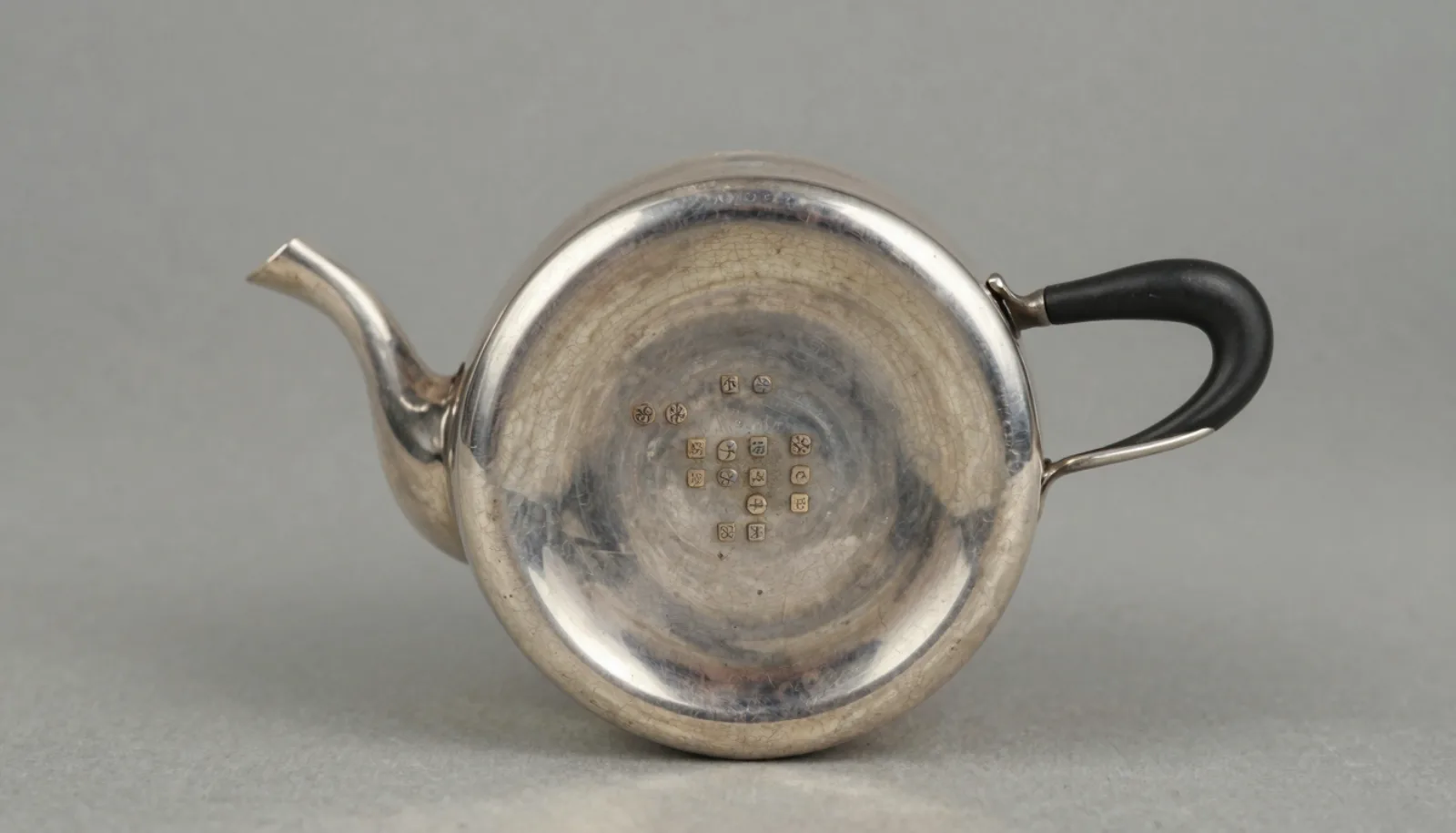
Atkin Brothers silver marks explained
Atkin Brothers marks date from 1853 to 1958. AB with a crown and date letter means sterling. AB with EPNS means Sheffield electroplate, not solid silver.
-
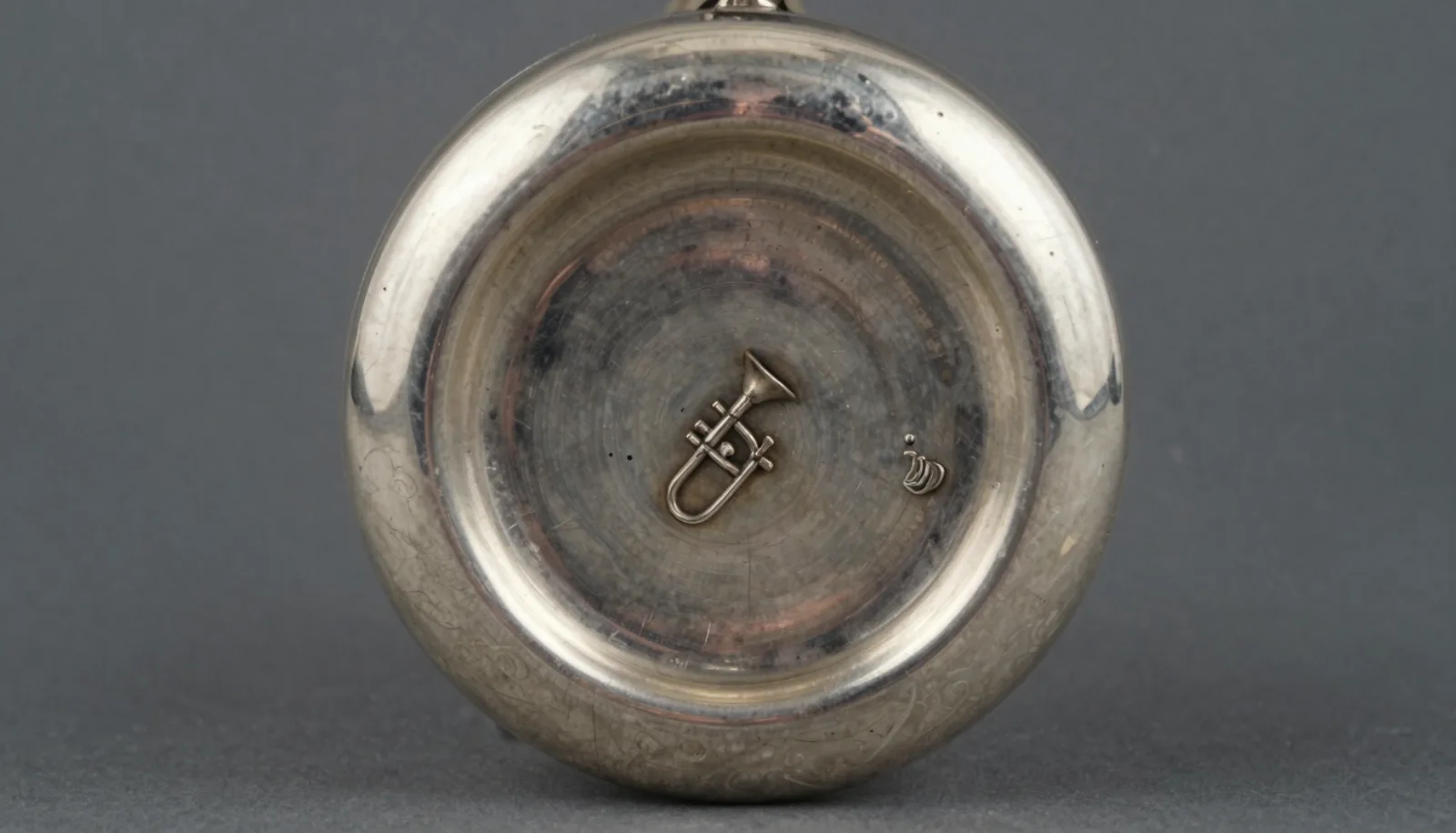
James Dixon and Sons silver marks guide
James Dixon and Sons marks span pewter, Britannia metal, electroplate and sterling. The trumpet-and-banner stamp dates a piece to 1879 or later.
-
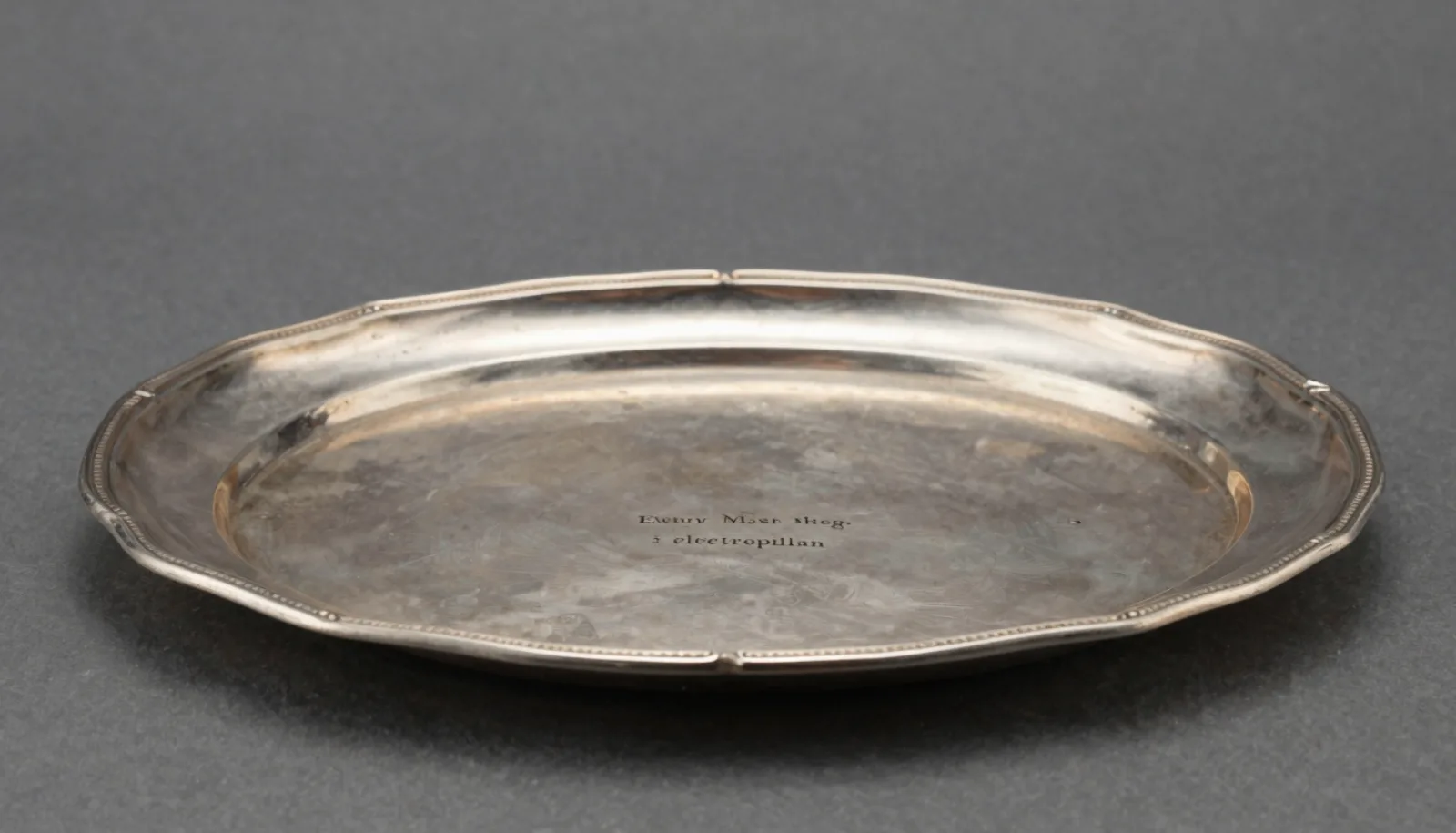
Mappin and Webb marks: Prince’s Plate
Mappin and Webb marks identify the maker, not the metal. Prince’s Plate is their electroplate line; sterling pieces carry full British hallmarks.
-
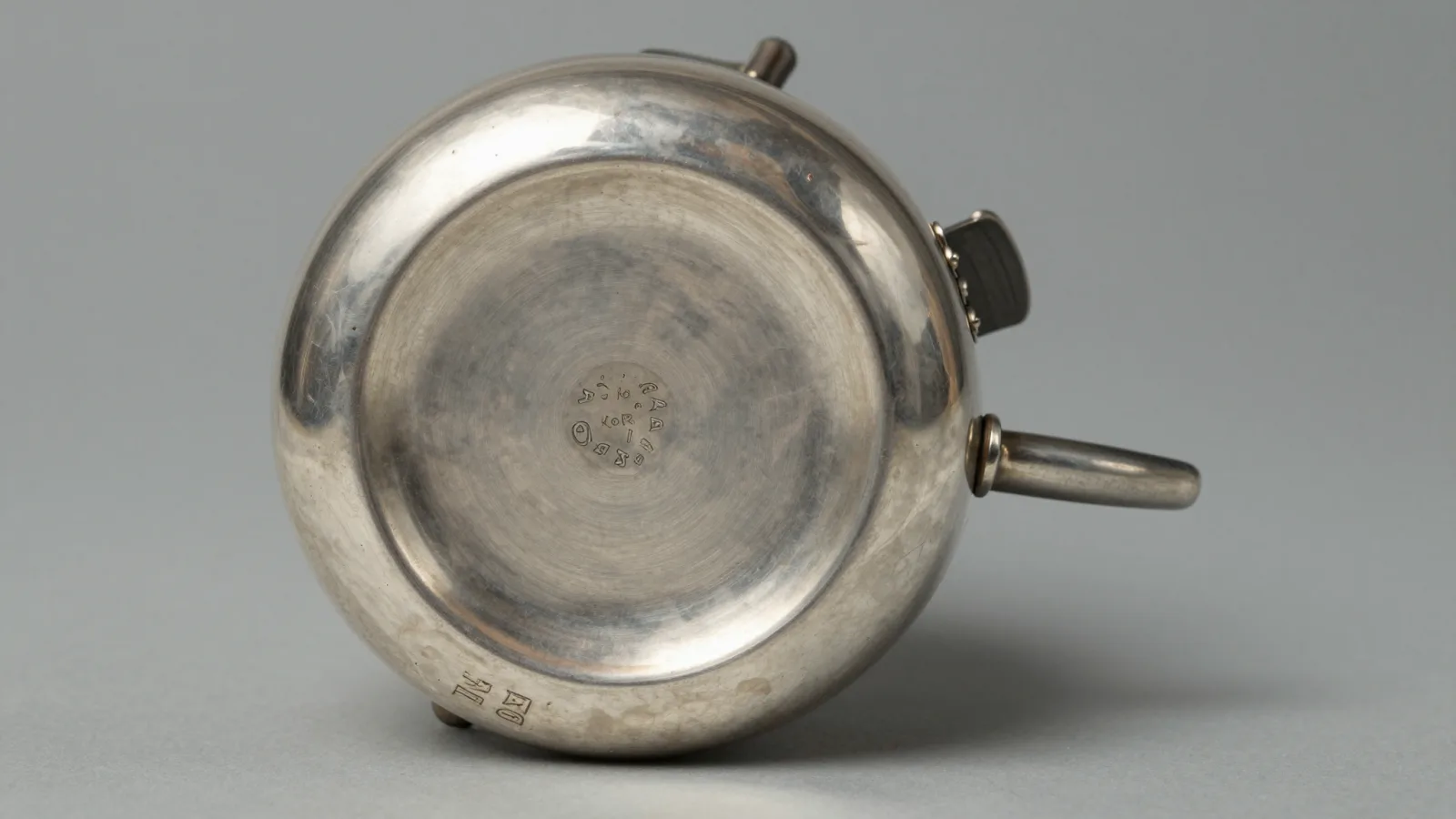
Walker and Hall Marks: Flag and Numbers
The Walker and Hall flag mark is a pennant holding the letters W&H. Sheffield firm, 1845 to 1971. The numbers beside it are sequence numbers, not dates.
-
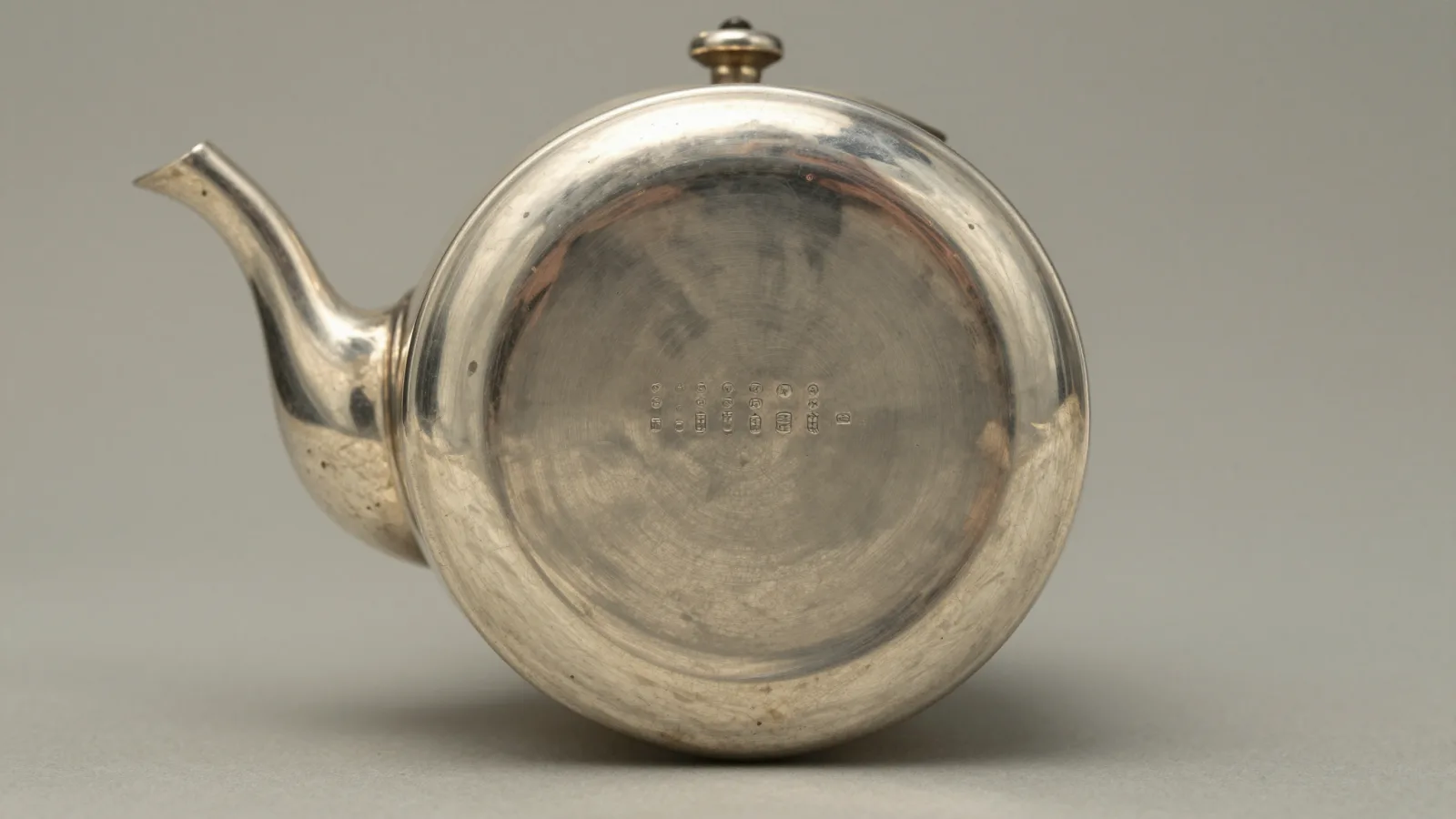
Elkington silver plate marks and dating
Elkington date letters follow the firm’s own private cycle, not the assay office system. Numbers 1 to 8 mark 1841-1848, letters from 1849 on.
-
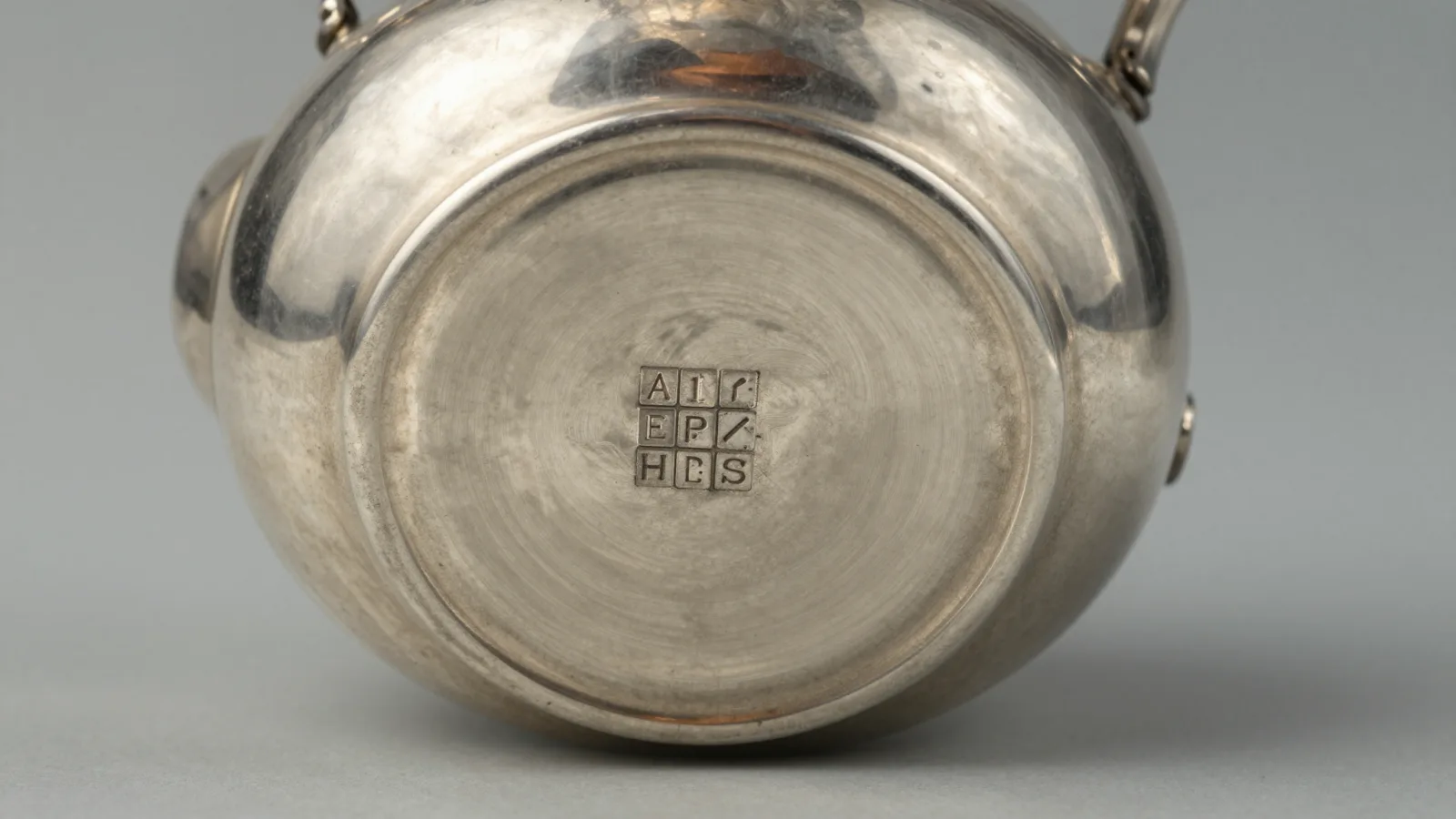
A1, A2 and quality numbers on silver plate
A1 on silver plate means the heaviest grade of plating a maker offered, not silver content. A2 sits one step below. Neither mark indicates sterling.
-
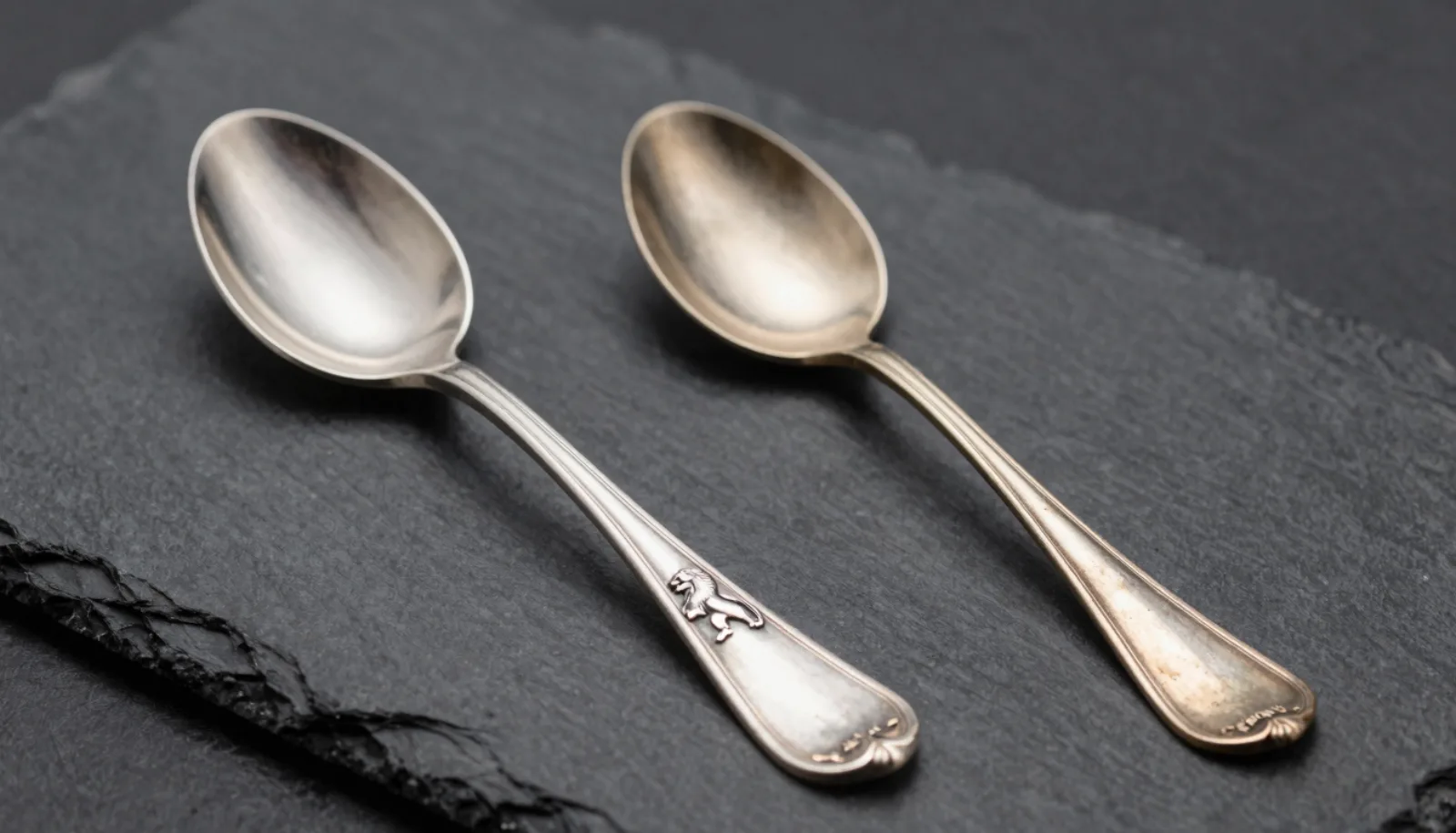
EPNS vs sterling: five visible differences
The fastest way to tell EPNS from sterling is the mark. Sterling carries a lion passant or 925; EPNS letters mean electroplate, not solid silver.
-
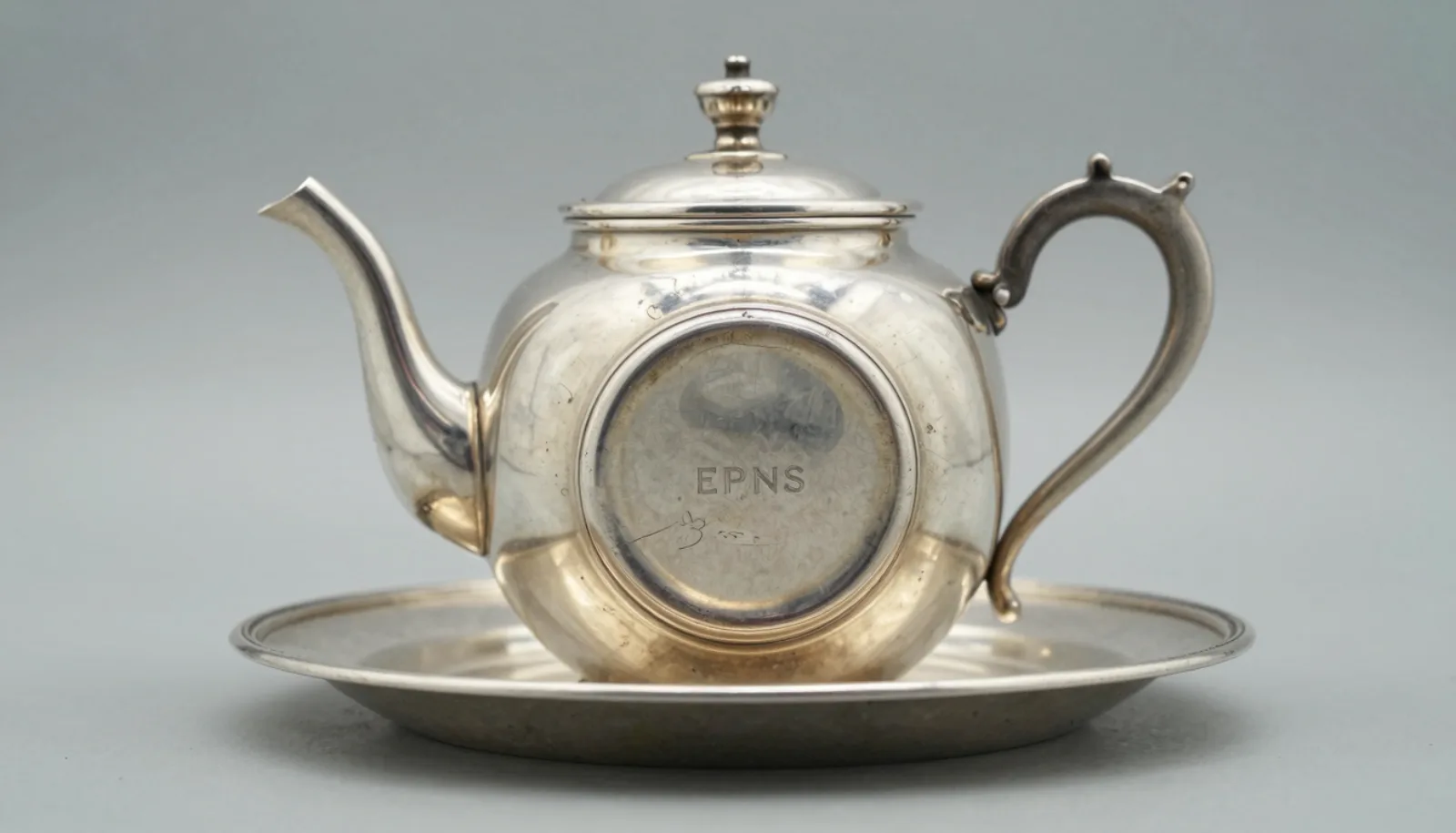
Is EPNS worth anything? A real value guide
Most EPNS is worth £5-40 at resale and nothing as scrap. The silver layer is too thin to recover. Value comes from maker, form, and condition, not metal.
-
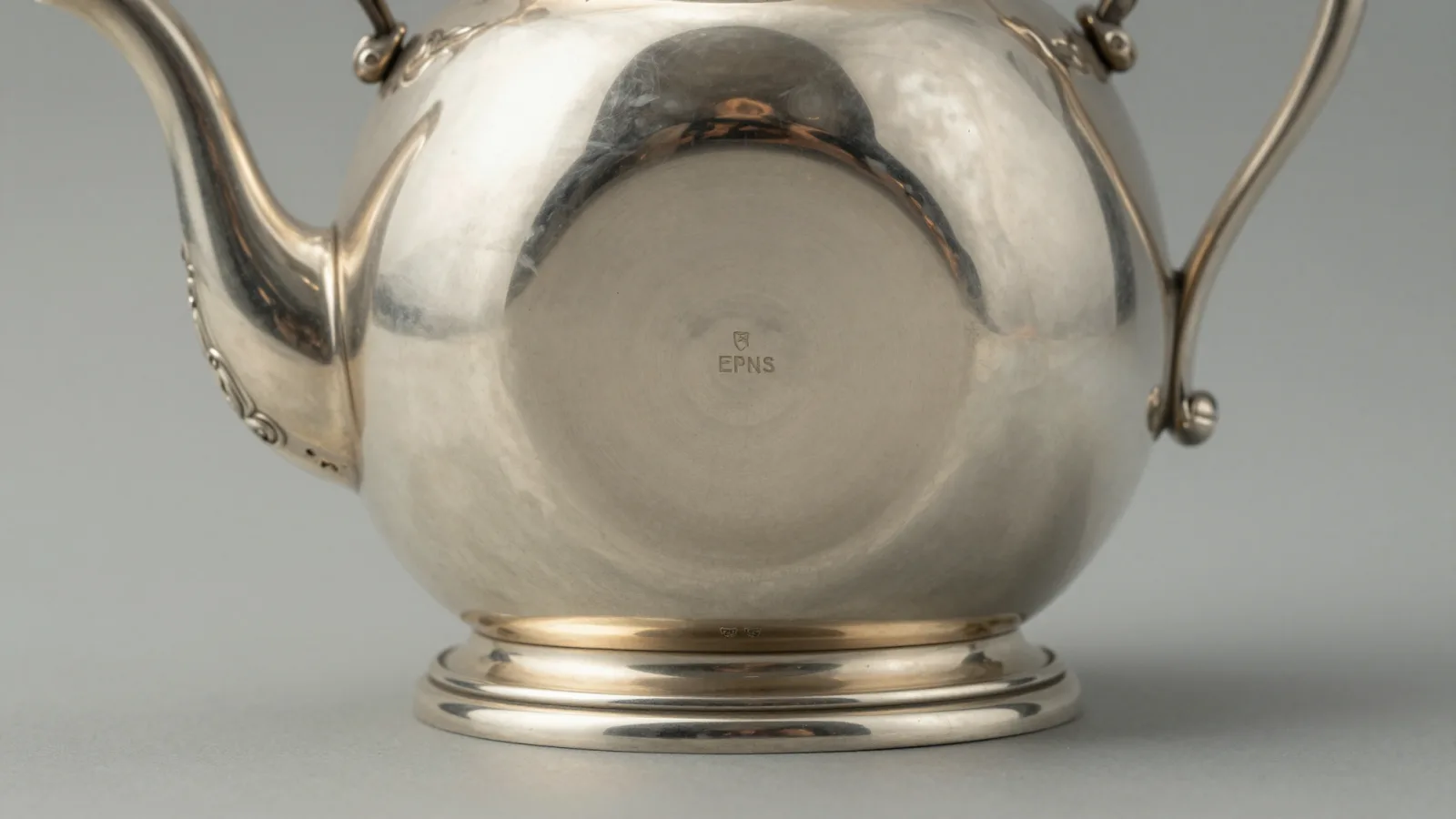
EPNS explained: what the letters stand for
EPNS stands for electroplated nickel silver: a nickel, copper and zinc alloy coated with a thin layer of pure silver. The base metal contains no silver at all.
-
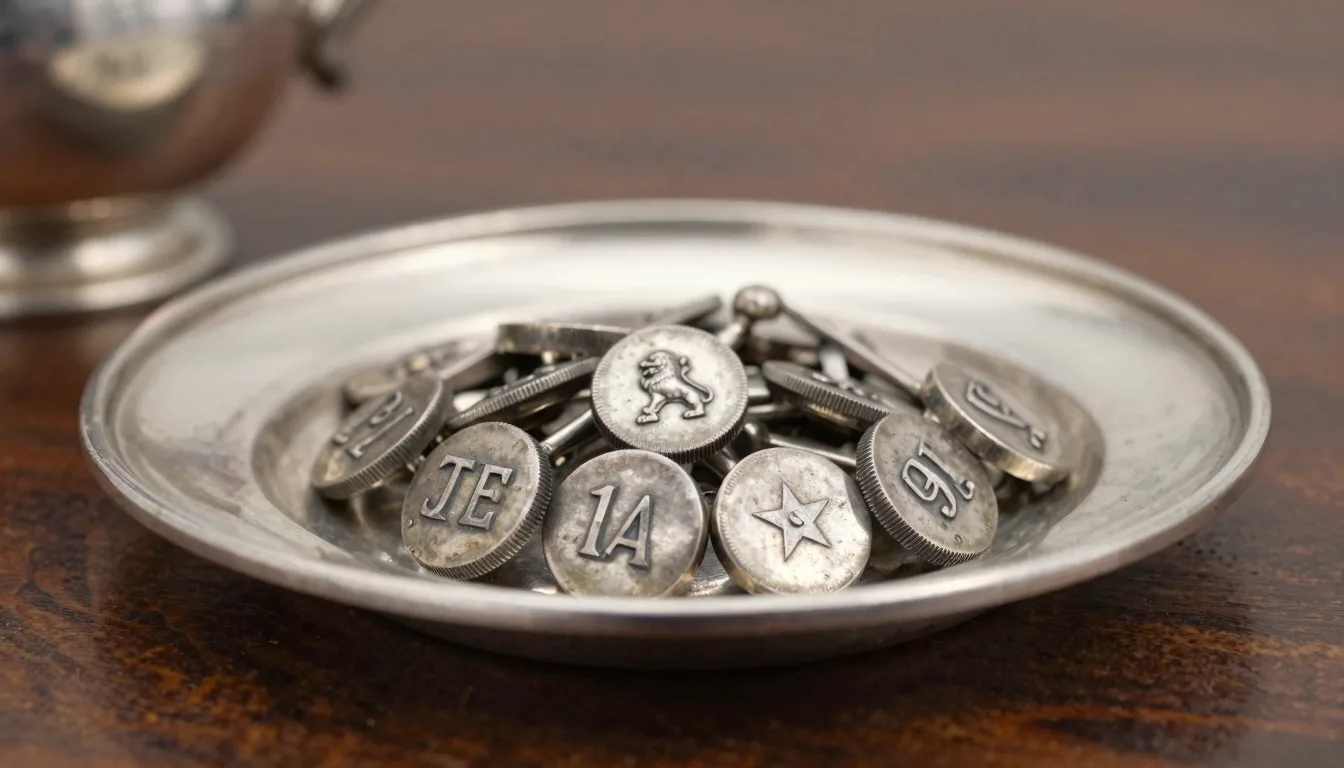
Spanish silver hallmarks: star marks and the assay system explained
Spanish silver hallmarks combine a city mark, an assayer’s mark, and a maker’s mark. Since 1934, a star holding a number identifies the registered maker.