
The Journal
British Hallmarks
-
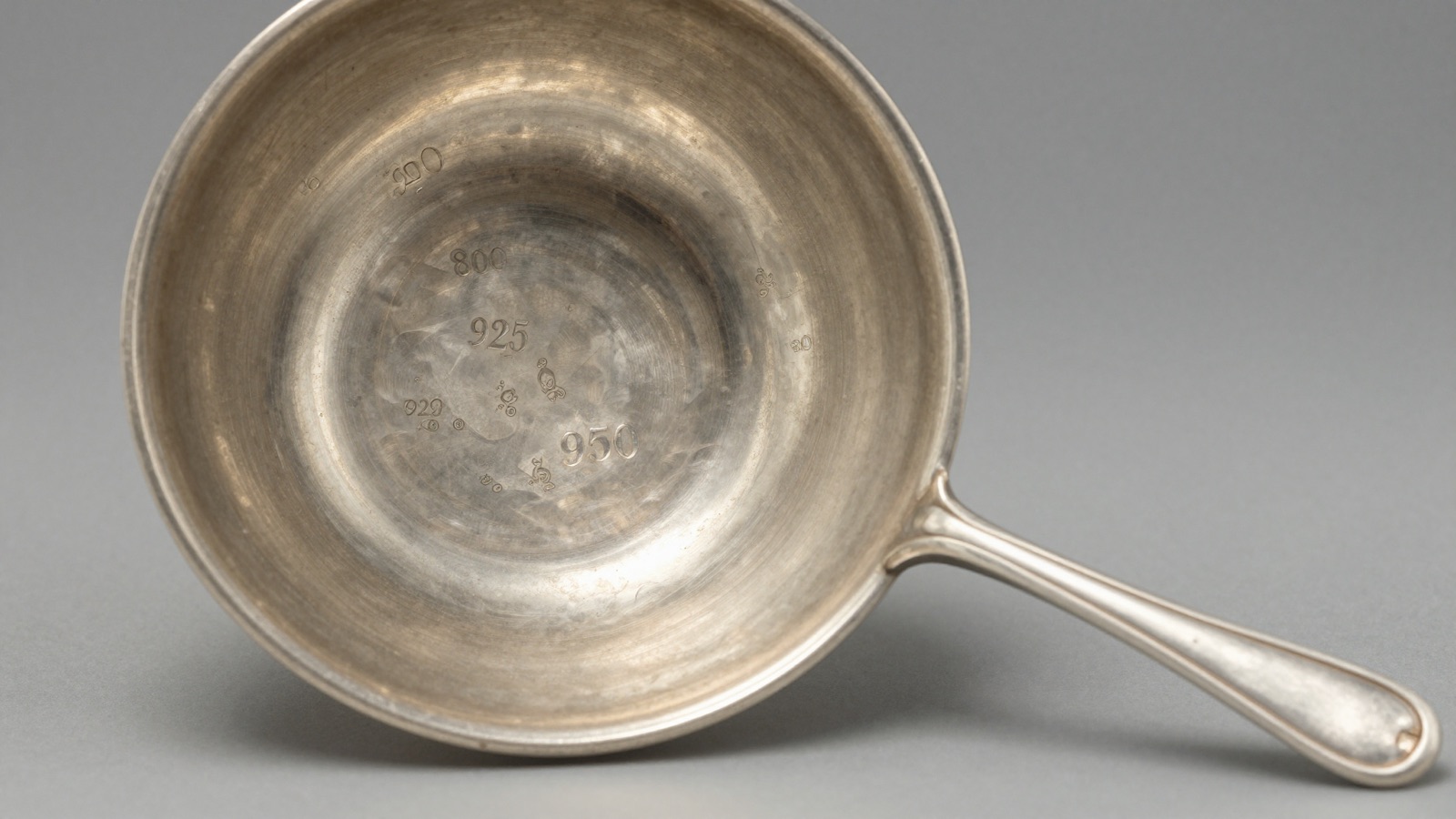
Silver purity marks worldwide: from 800 to 999 explained
Silver purity marks from 800 to 999 show how much pure silver a piece contains, expressed in parts per thousand. 800 is 80% pure; 999 is fine silver.
-
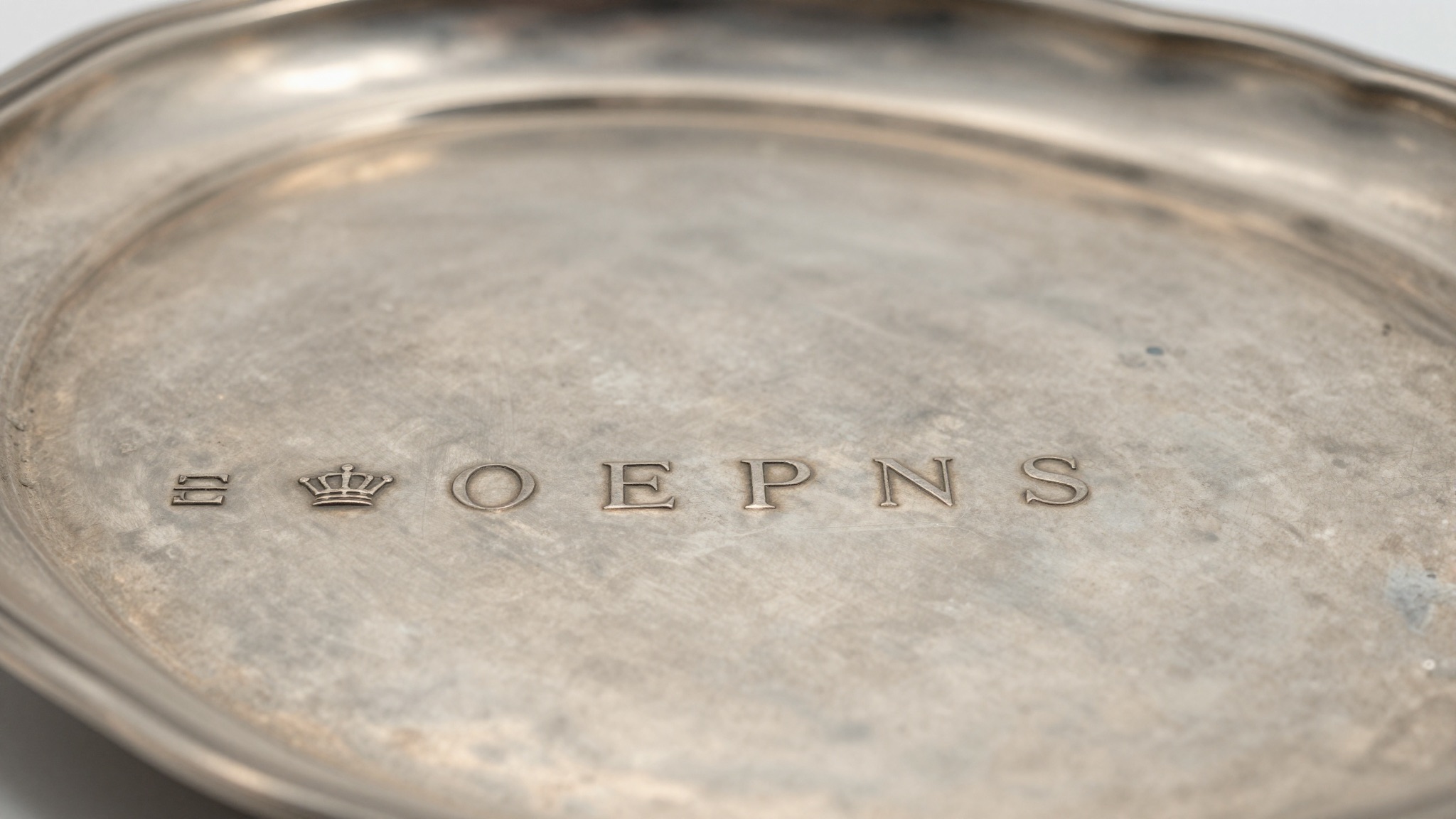
Silver plate hallmarks: why they look like sterling marks
Silver plate hallmarks mimic sterling marks by design, but plate never carries a lion passant or a 925 purity stamp, only maker initials and codes like EPNS.
-
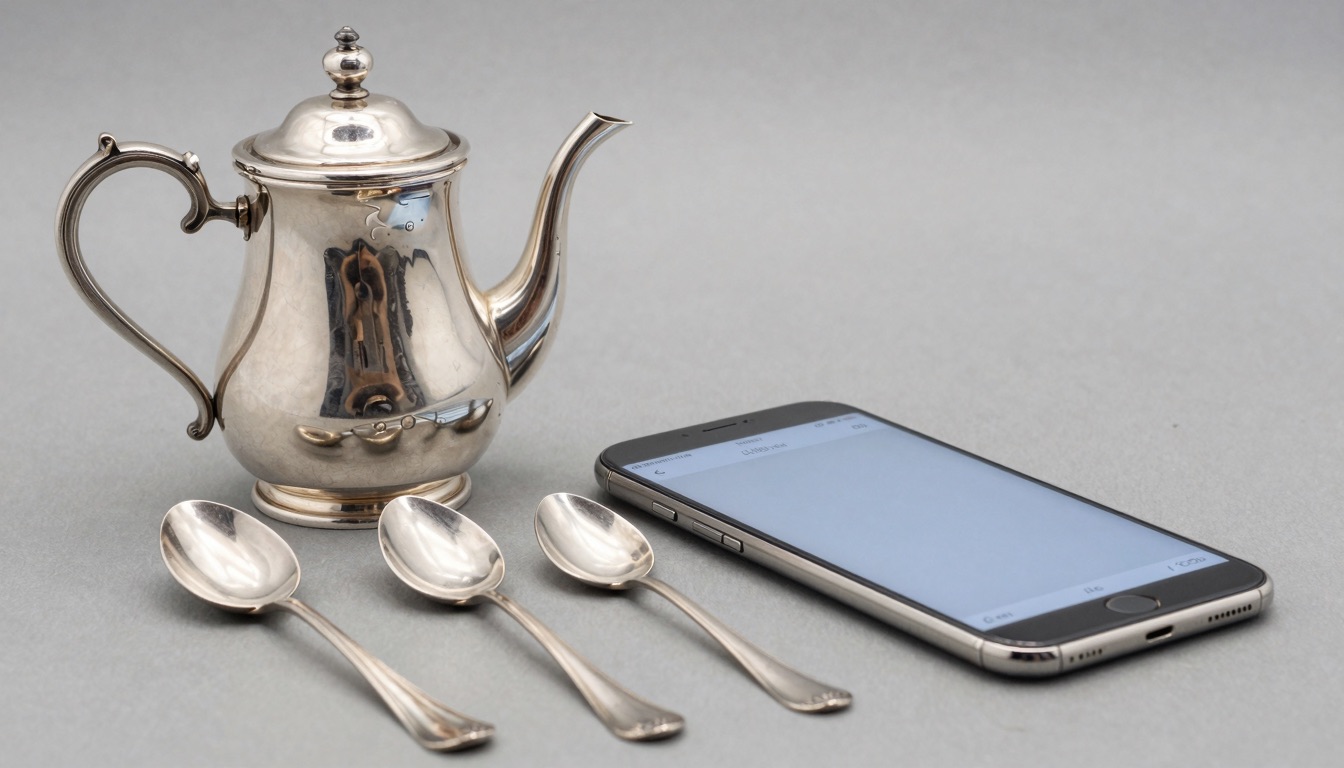
Antique appraisal apps compared: free vs paid for silver
The difference between free and paid antique appraisal apps is valuation depth: free apps identify silver, paid tiers add live market values and unlimited scans. For reading hallmarks,…
-
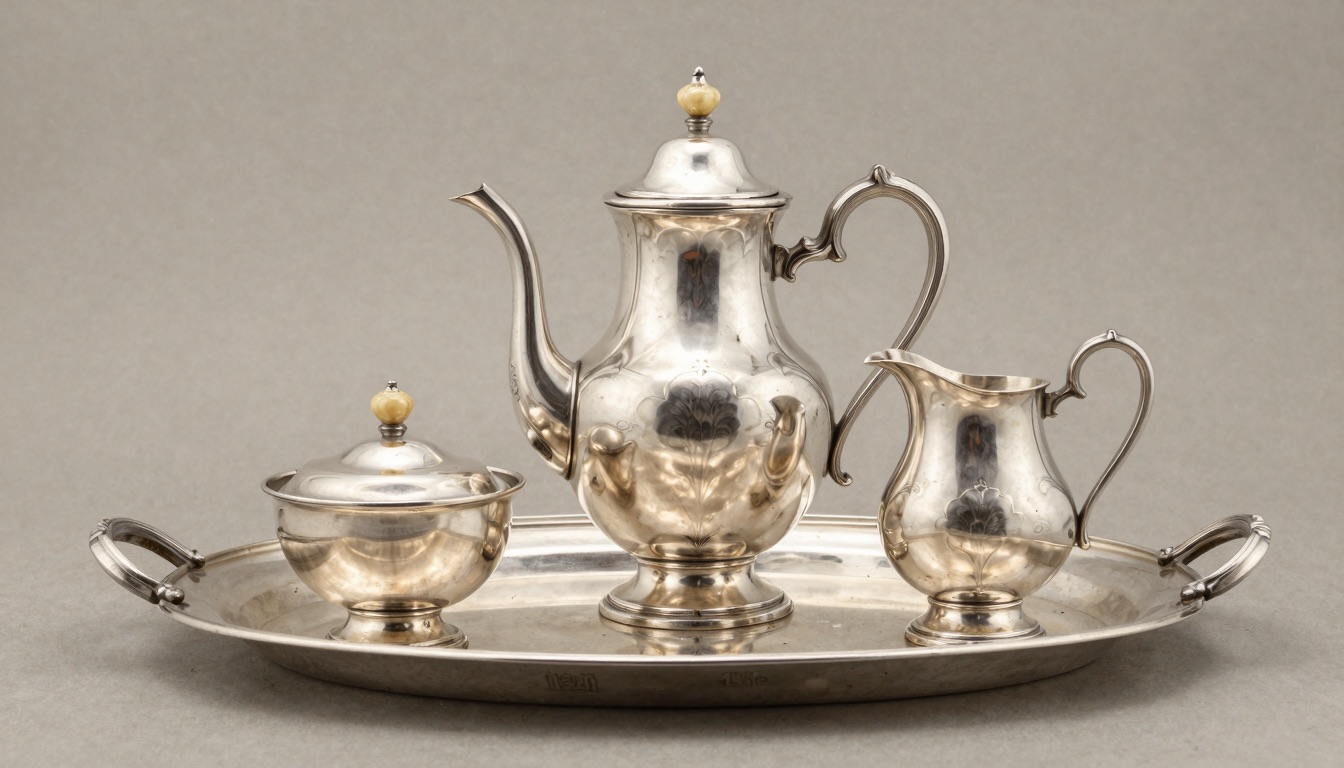
What’s my antique silver tea set worth? A value guide
An antique silver tea set is worth $500 to $8,000, based on maker, silver weight, and whether it is sterling or plate. Named sterling makers bring the most.
-
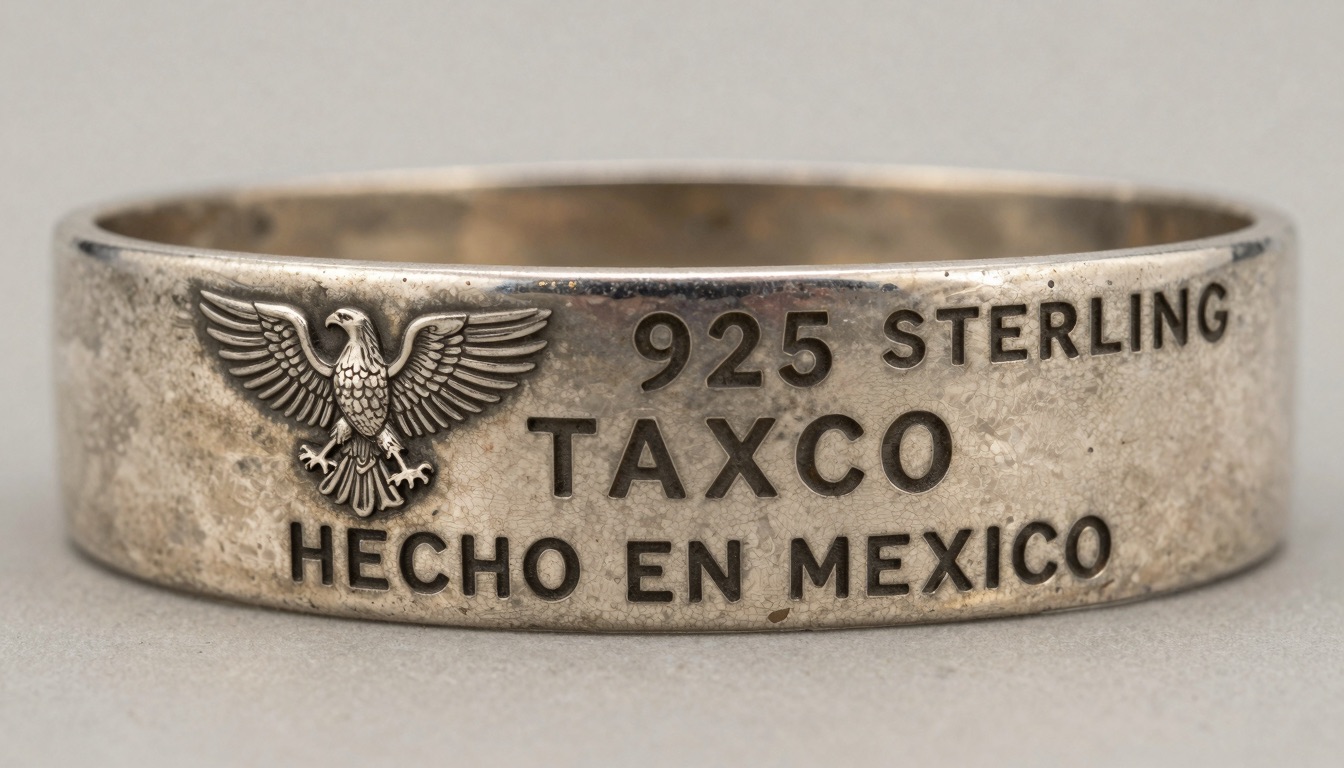
Mexican silver hallmarks: eagle marks and Taxco makers explained
The eagle hallmark on Mexican silver is a national assay stamp used from about 1948 to 1980, and the number inside it identifies the maker or assay office.…
-
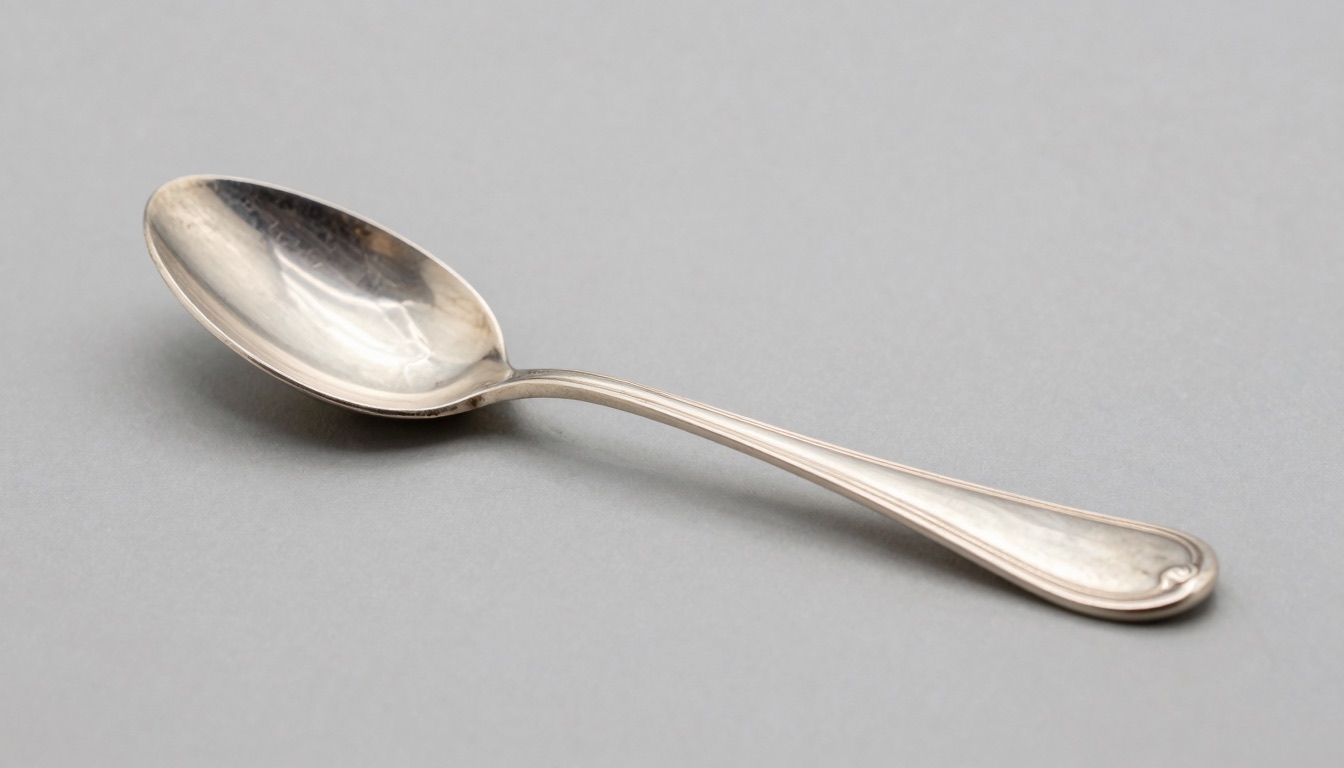
1847 Rogers Bros. silverware: identification and value
1847 Rogers Bros. is silverplate, not sterling. The 1847 marks the year the Rogers brothers perfected electroplating, not when your piece was made.
-
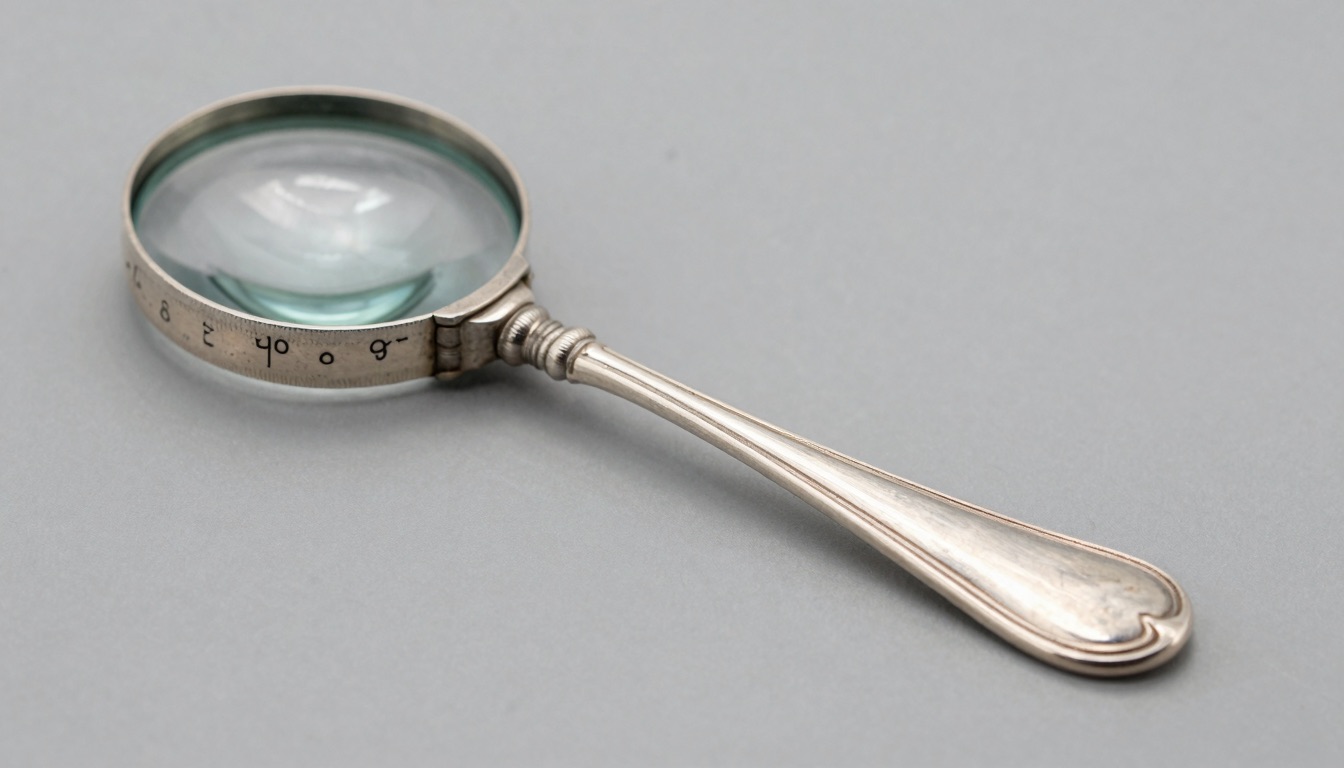
How old is my silver? Dating it accurately from the hallmark
The age of your silver comes from its date letter: one stamped letter whose font and shield shape fix the piece to a single assay year.
-
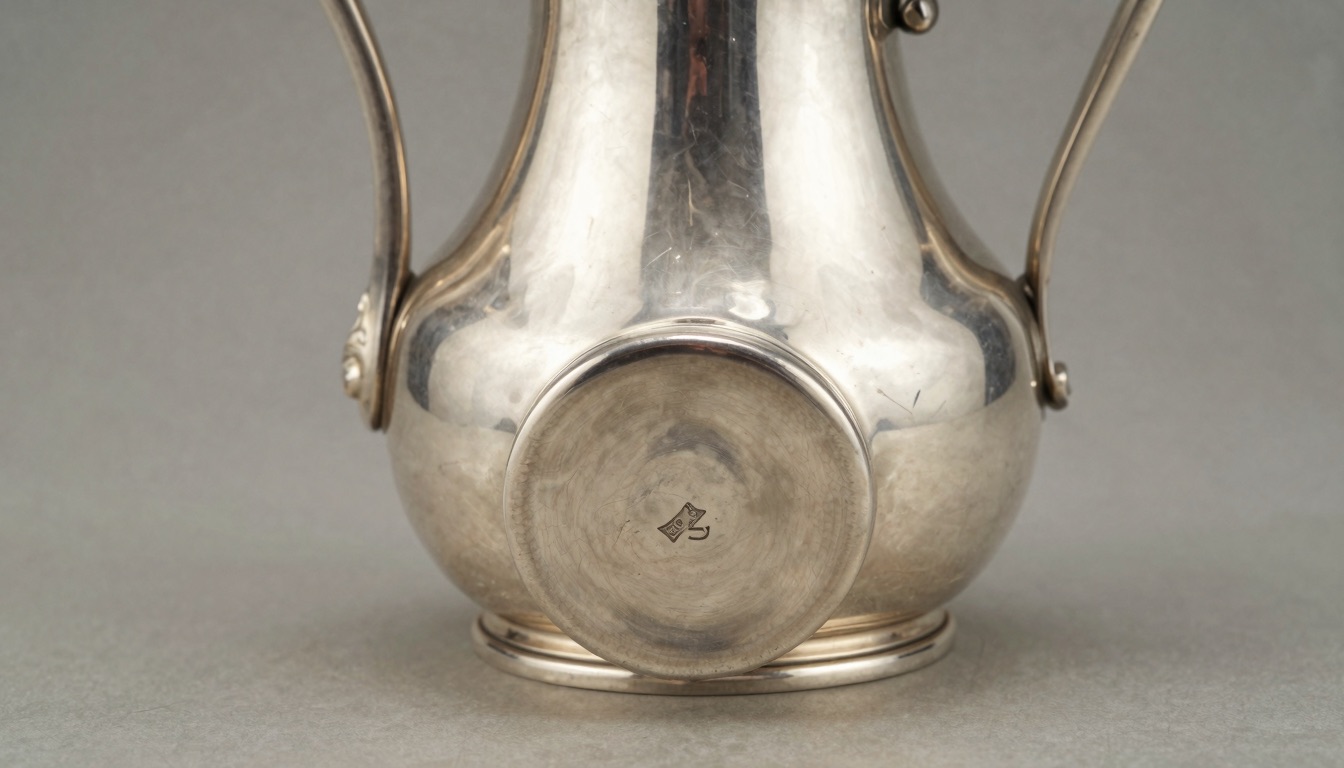
Italian silver hallmarks: the fascio and province numbers
The fascio mark on Italian silver is a Fascist-era assay stamp used from 1934 to 1944, paired with a number that identifies the province of assay.
-
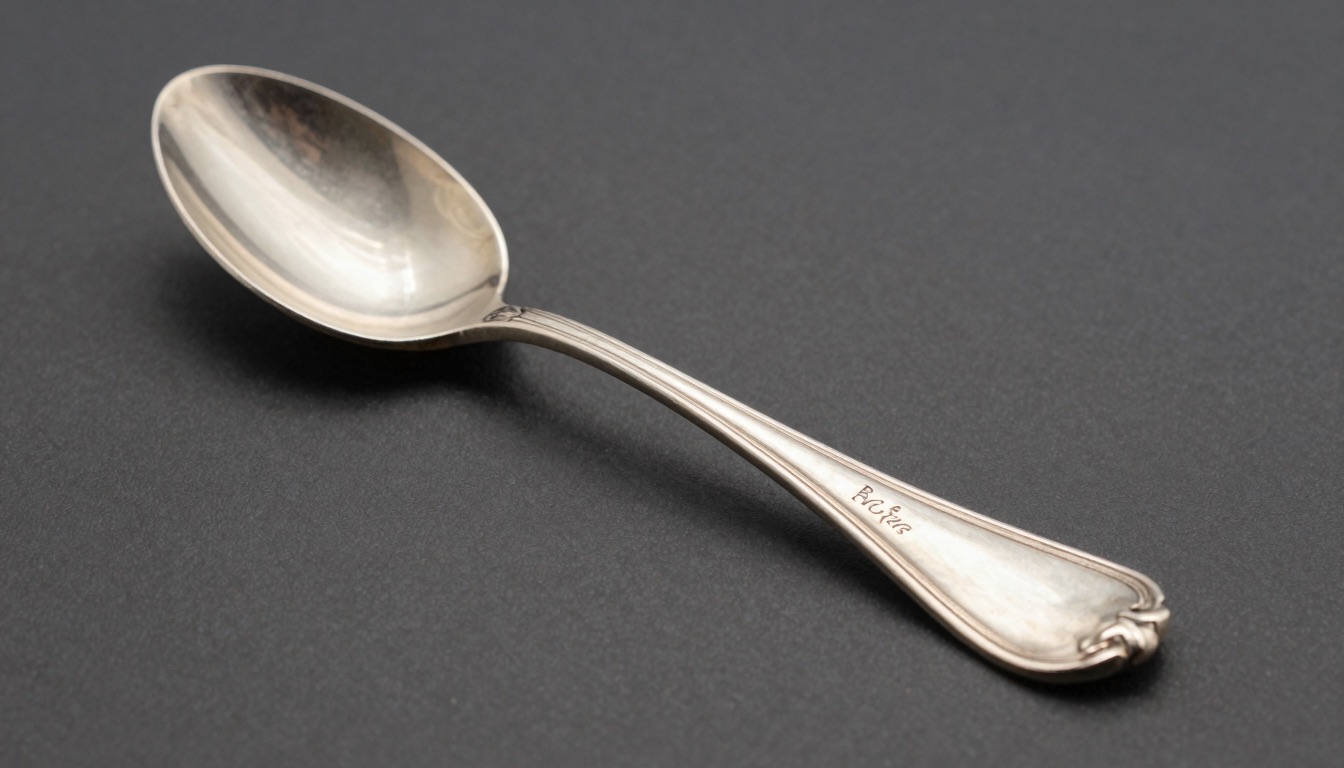
Wm Rogers silverware: marks, patterns, and what’s plate
Wm Rogers silverware is almost always silver plate, not sterling. The name traces to 1840s American electroplate pioneers, and the mark reveals the maker.
-
Best apps for identifying antiques by picture in 2026 (free download)
We compare the best apps for identifying antiques by picture: Antiqly, Google Lens and generic scanners on hallmark reading, sign-up and value estimates.