The Journal
Notes on silver & its marks
-
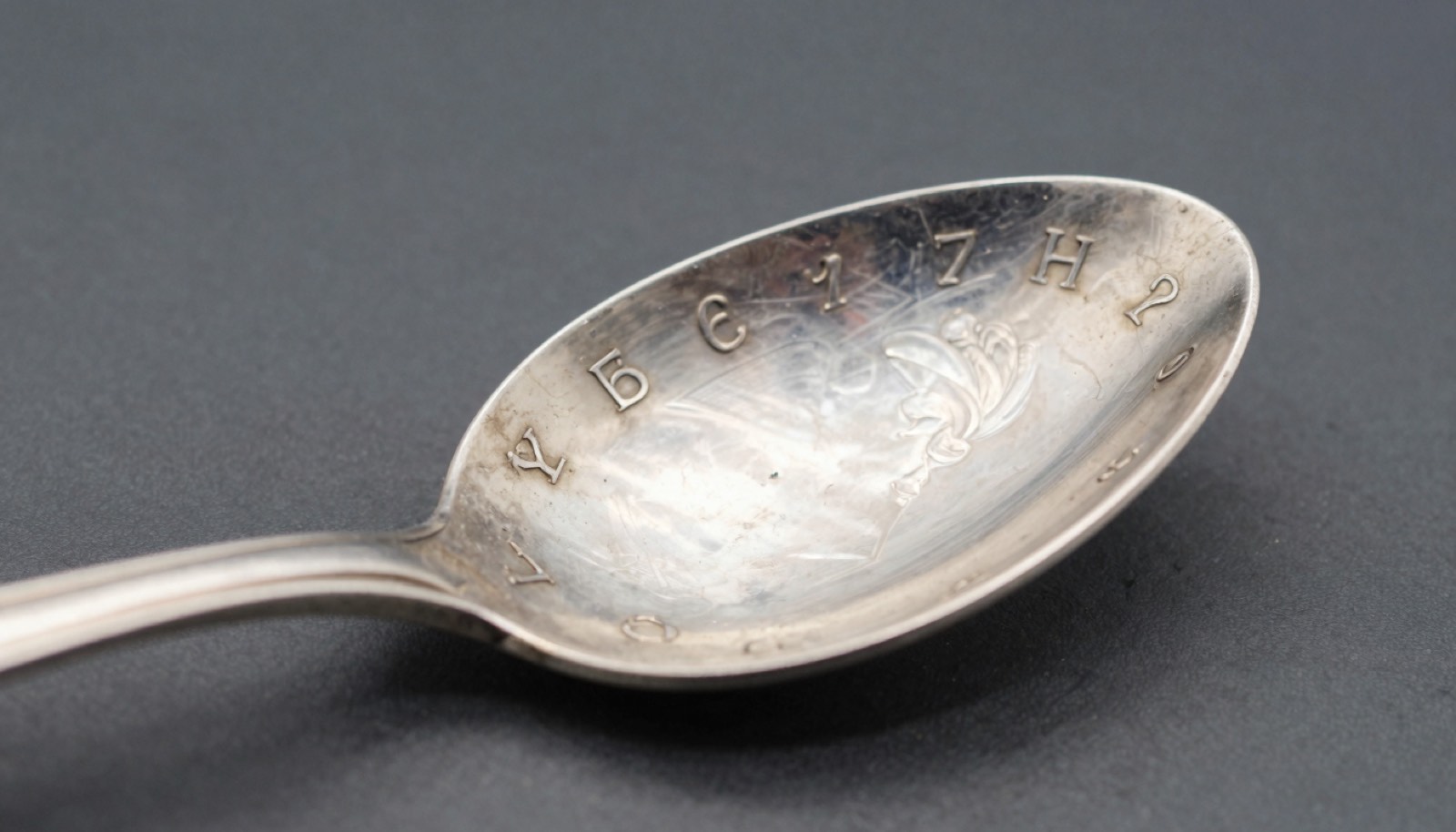
Why some antique silver has no date letter (and how to date it)
Antique silver often has no date letter because date letters are a British-only convention. American and most European silver never used the system.
-
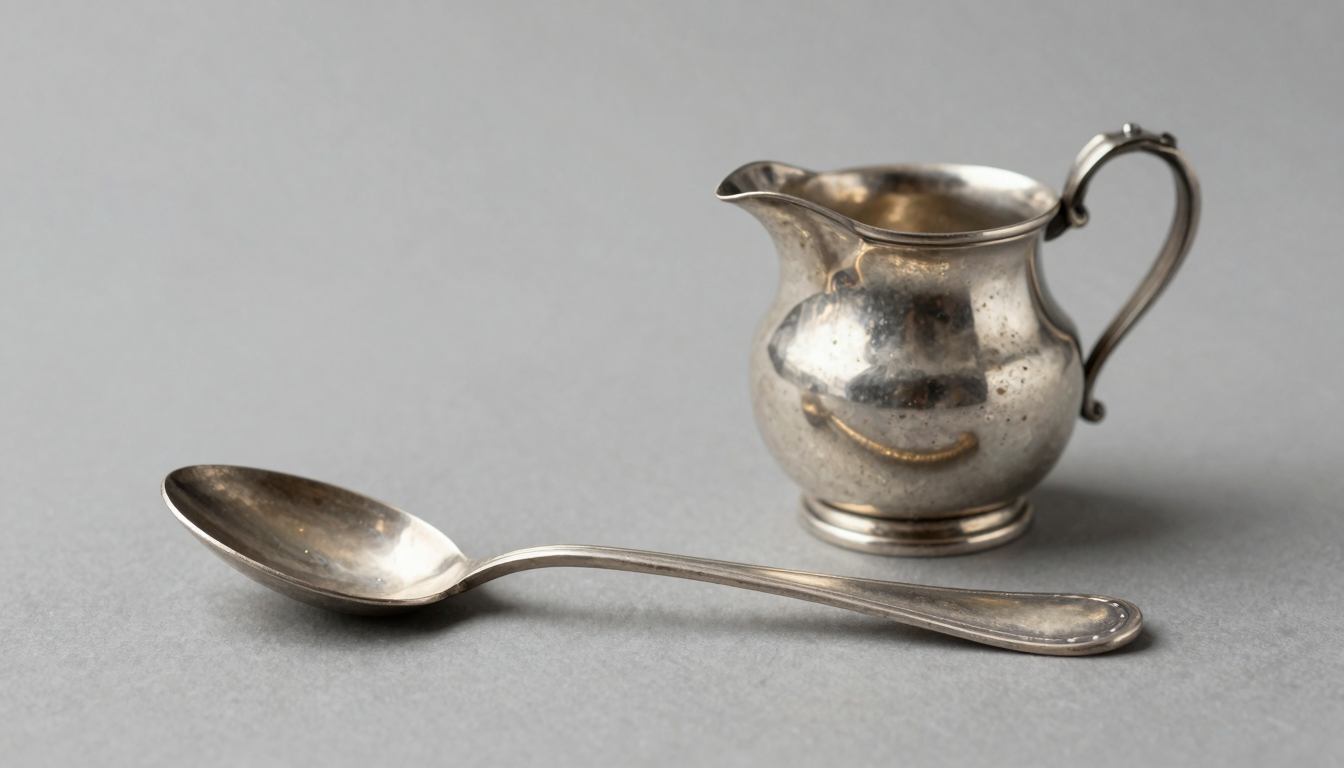
How to identify antique silver with no hallmarks
You can identify antique silver with no hallmarks by weight, sound, tarnish, and construction. A missing stamp does not mean the metal is base.
-
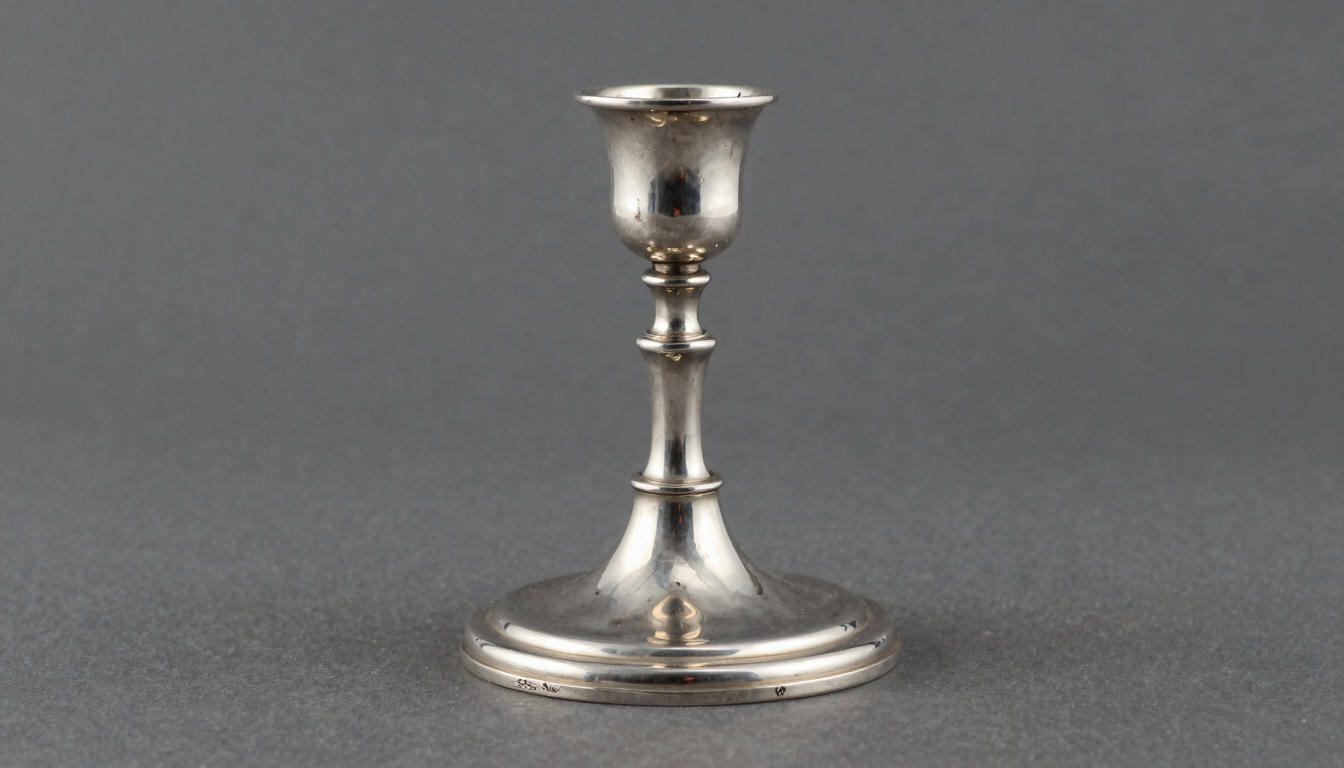
Antique silver candlesticks: identification and value
Antique silver candlesticks are identified by hallmarks on the foot rim and valued by maker, weight, and cast-versus-loaded construction.
-

The fastest way to identify silver makers’ marks on your phone
The fastest way to identify silver makers’ marks on your phone is to photograph the mark in raking light and match it in an antique identifier app in…
-
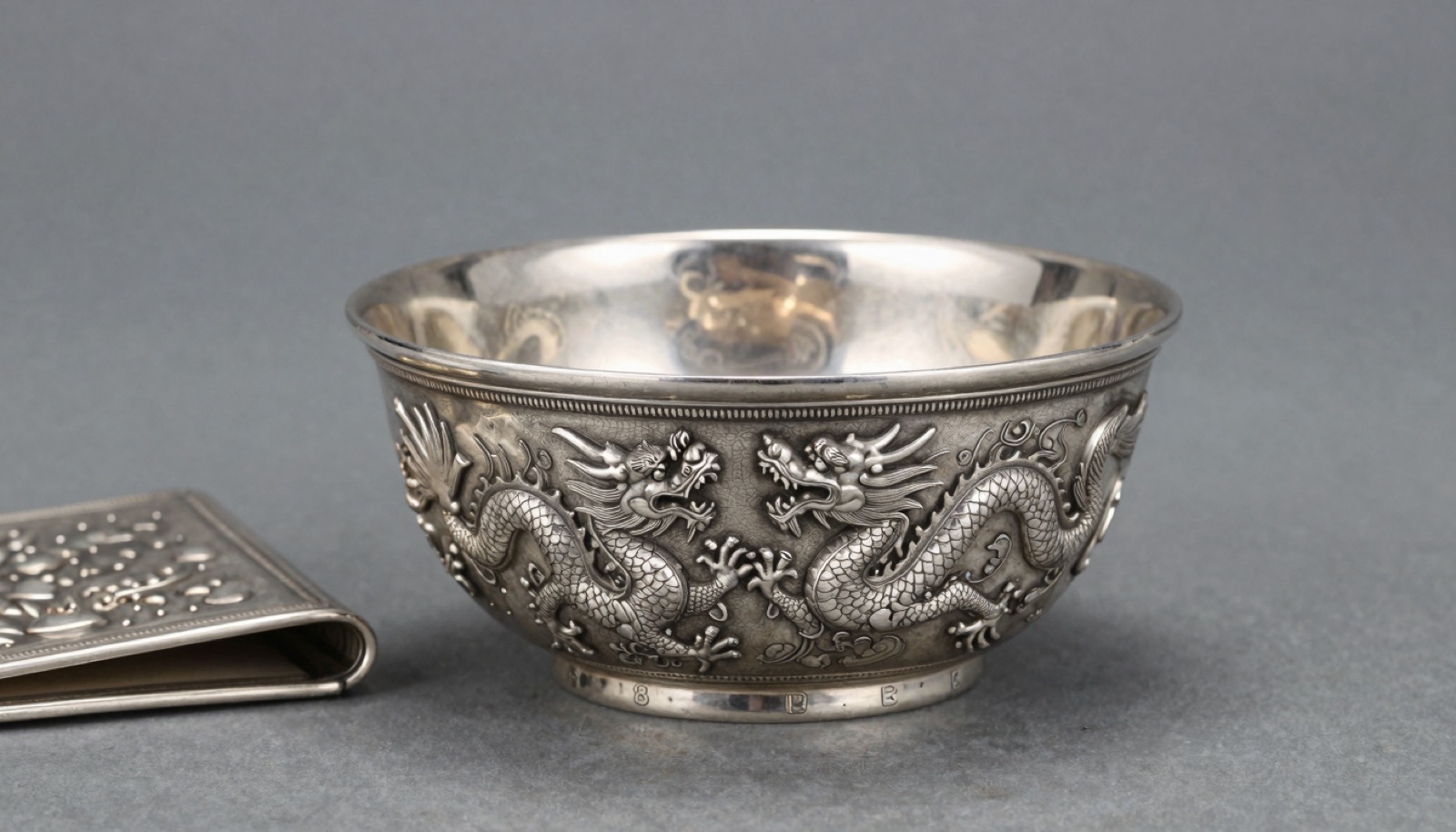
Chinese export silver marks: identification and pitfalls
Chinese Export Silver marks imitate British hallmarks but follow no assay law. Look for pseudo-marks, maker initials, and a retailer’s stamp to identify them.
-
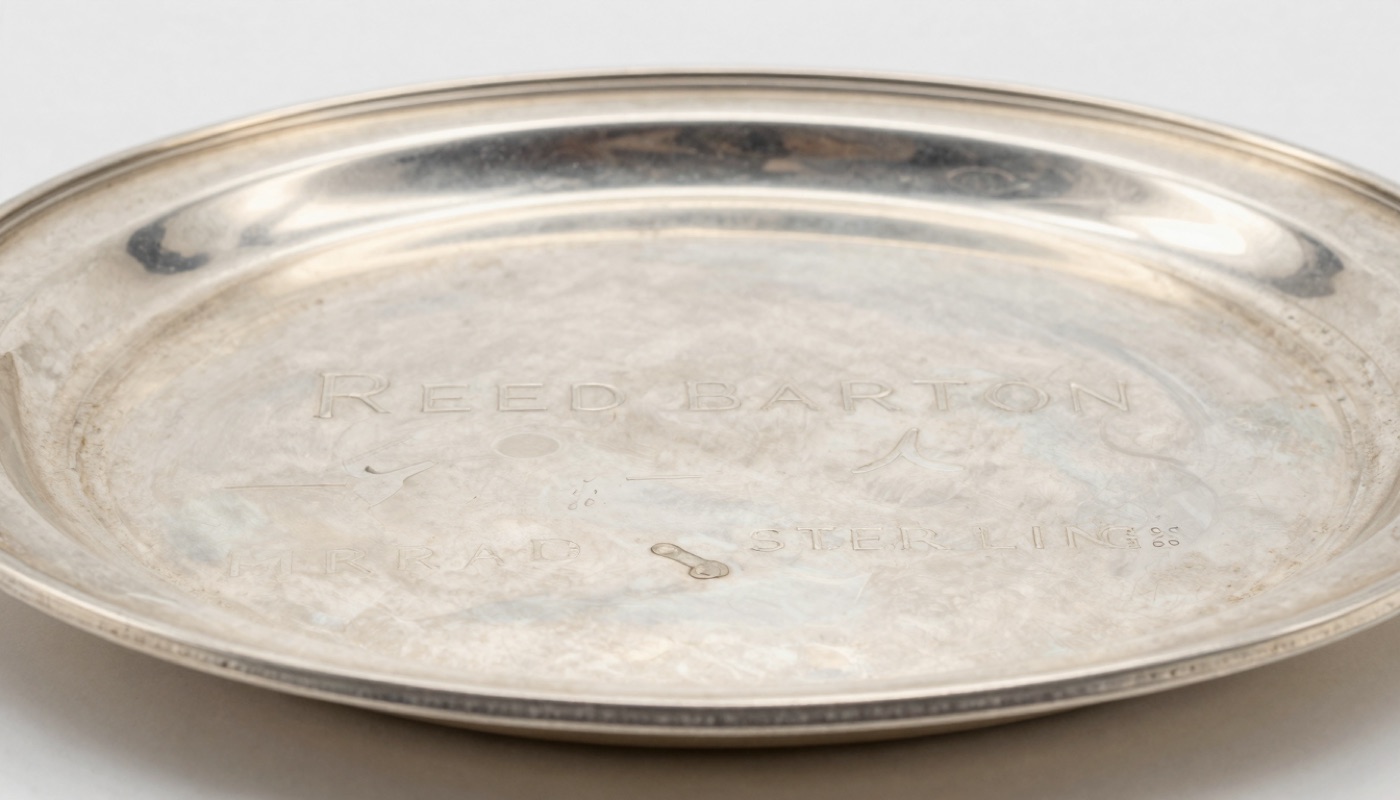
Reed & Barton silver marks: a complete dating guide
Reed & Barton silver is dated by its mark: STERLING signals post-1889 solid silver, a stamped date symbol gives the year, and numbers mean silverplate.
-
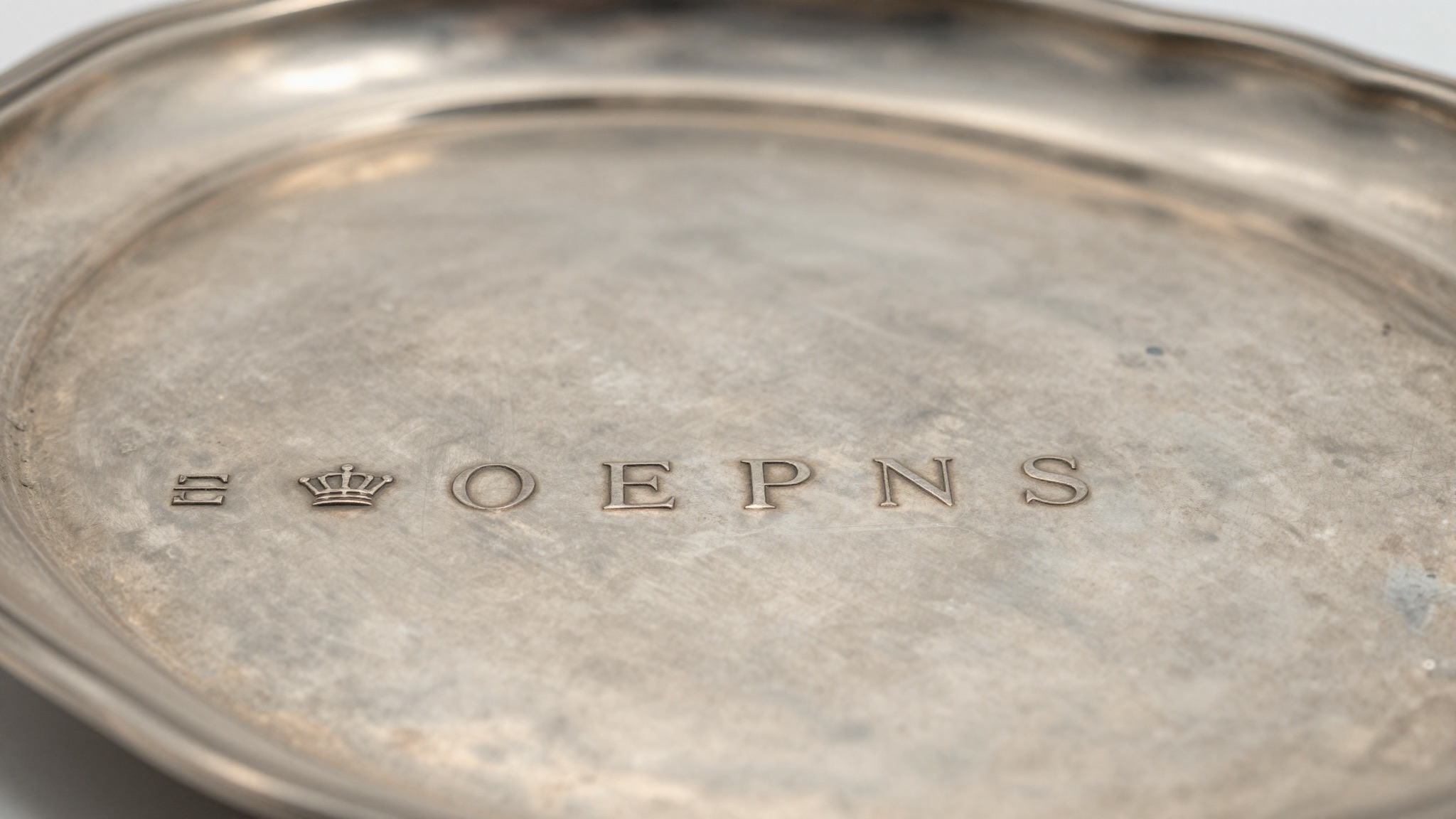
Silver plate hallmarks: why they look like sterling marks
Silver plate hallmarks mimic sterling marks by design, but plate never carries a lion passant or a 925 purity stamp, only maker initials and codes like EPNS.
-
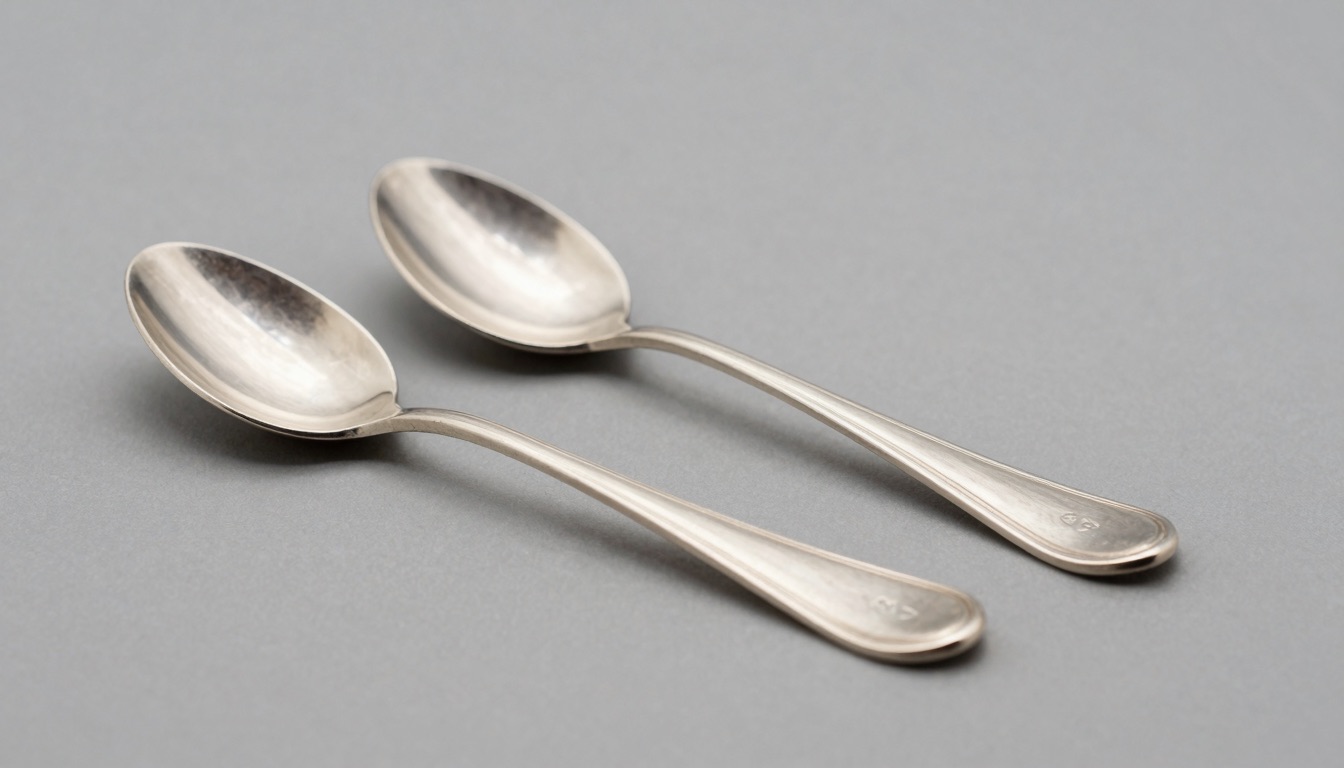
Can an app tell real silver from silver plate? We tested it
A good app can tell real silver from silver plate by reading the hallmark. It works when marks are sharp. Worn or hidden marks still need a human…
-
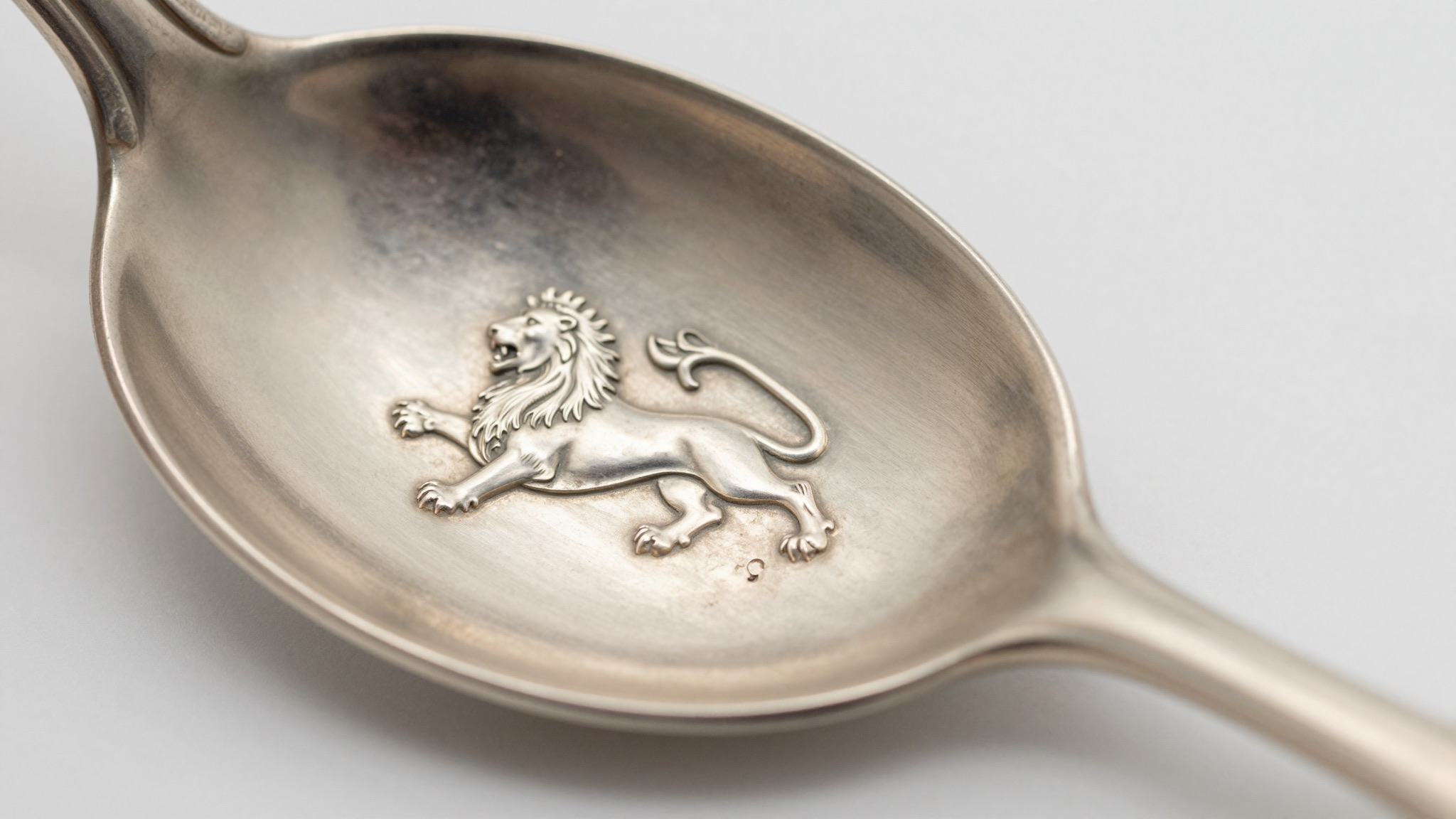
Silver hallmarks with a lion and a number: what they mean
A lion and a number on silver means English sterling — the lion passant — beside a pattern or model number. The number is rarely purity or a…
-
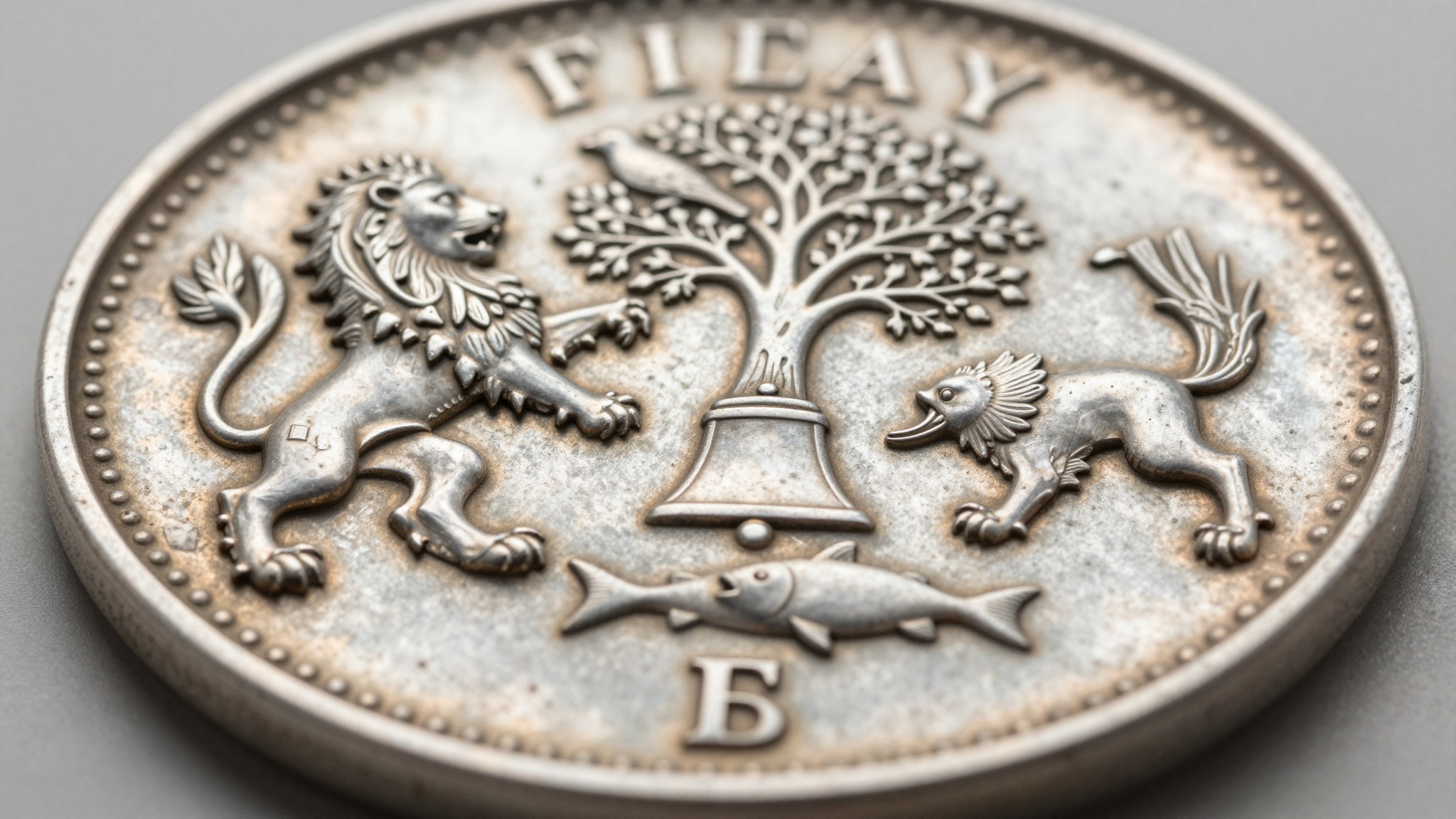
Glasgow silver hallmarks: town mark and date letters explained
Glasgow silver hallmarks show the city’s tree, bird, bell and fish town mark with a lion rampant for sterling. Official date letters run from 1819 to 1964.
-
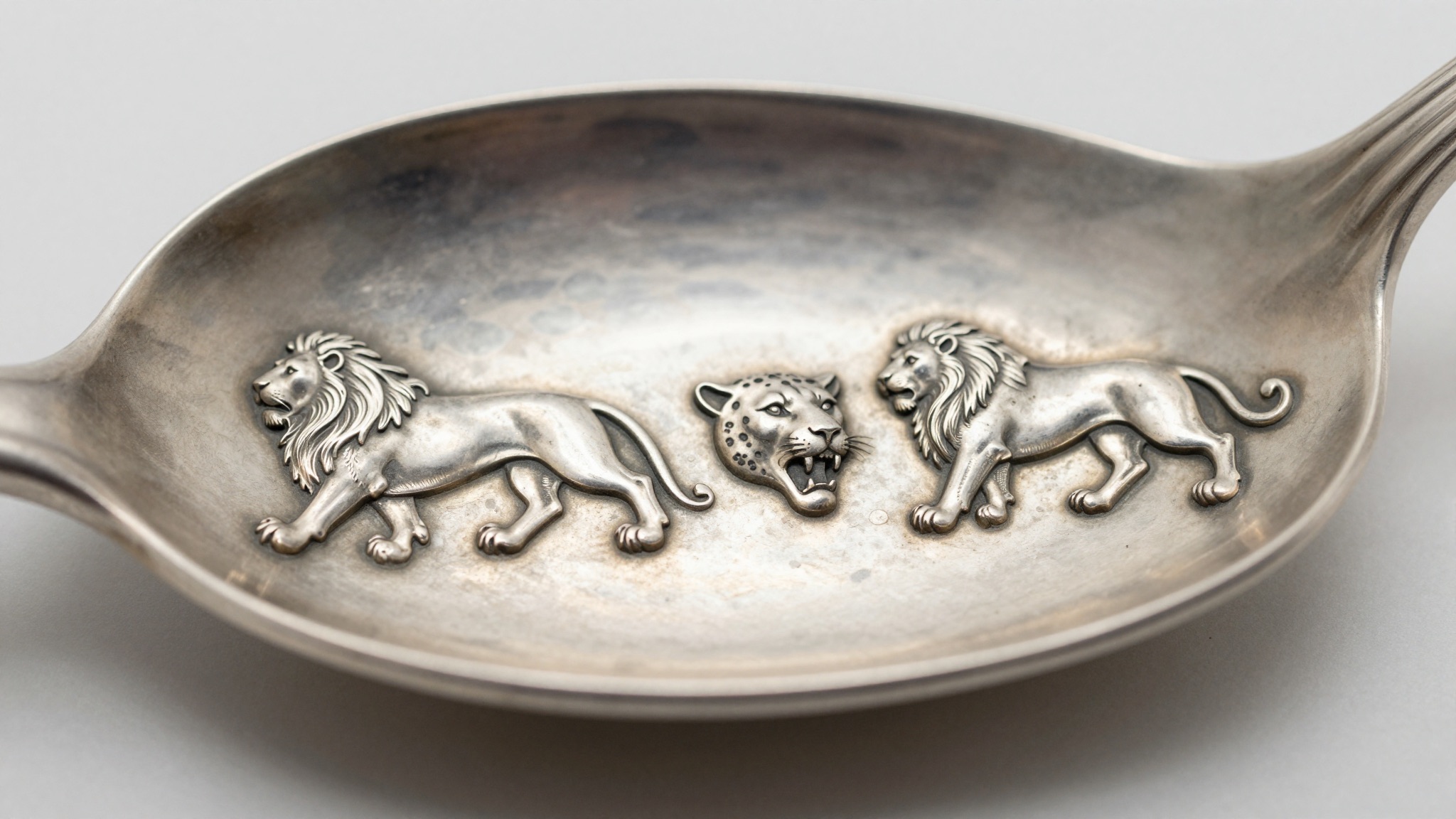
Silver assay marks and dates: a practical identification walkthrough
A silver assay mark is the office stamp that certifies purity; paired with the date letter, it reveals exactly where and when the piece was assayed.
-
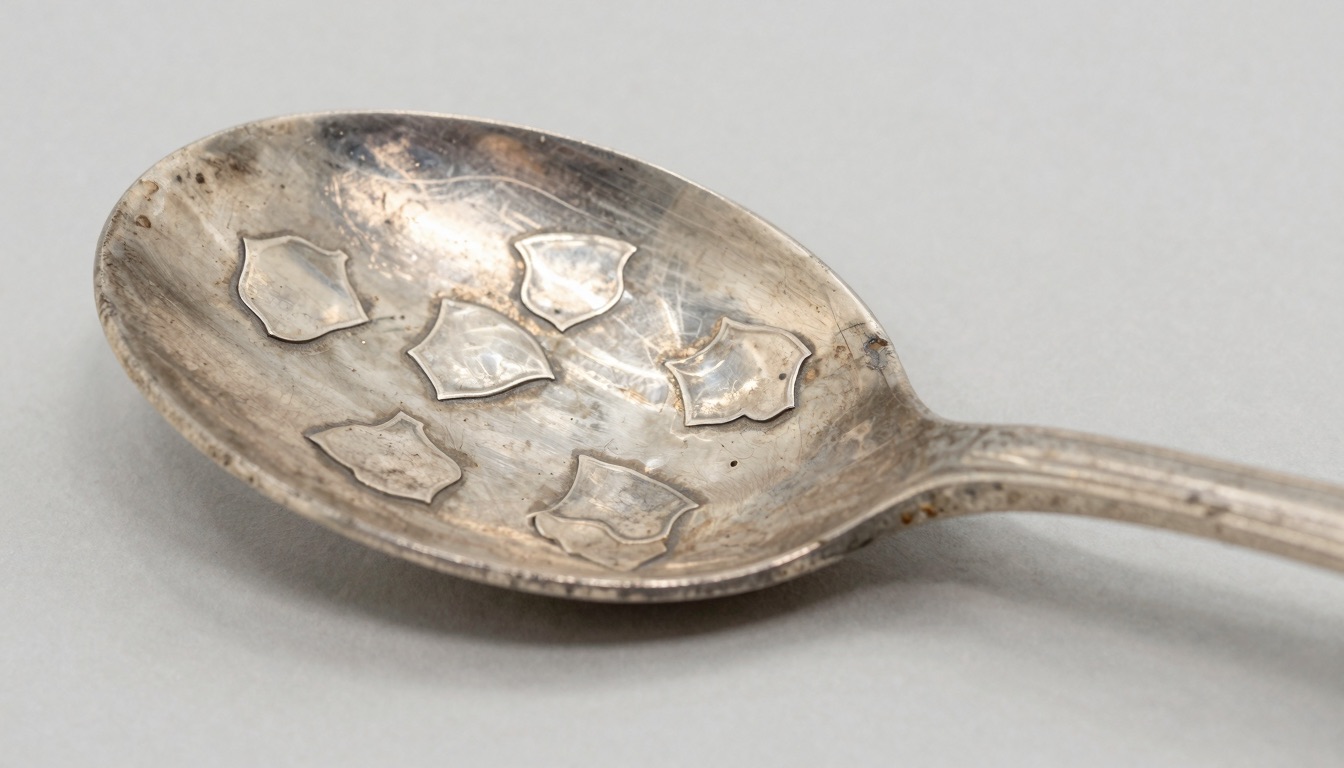
Worn or rubbed silver hallmarks: how to identify them anyway
You can identify worn silver hallmarks by their shape, position, and faint outlines under angled light, even when polishing has nearly rubbed them smooth.