
The Journal
British Hallmarks
-
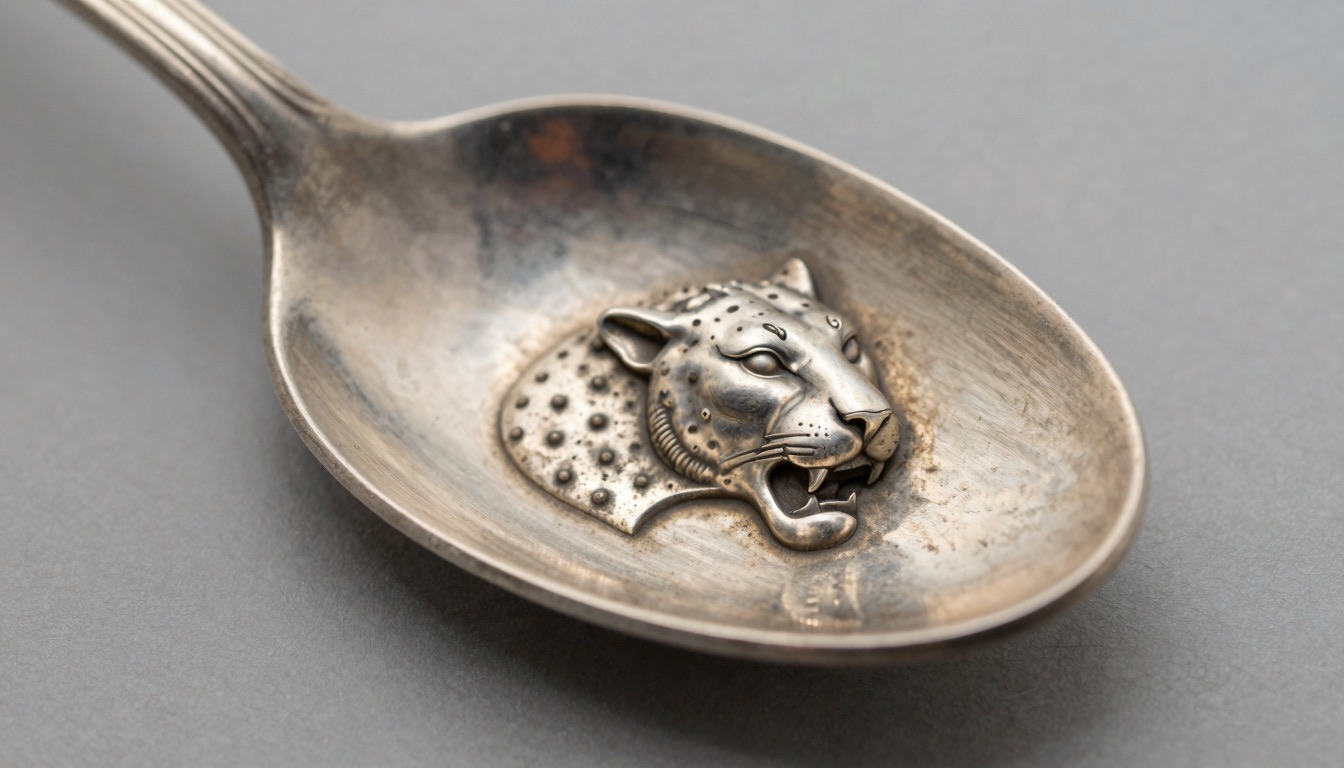
The leopard’s head hallmark: London’s town mark through the centuries
The leopard’s head is the town mark of London’s assay office, used since 1300 to show where silver was tested — crowned until 1821, uncrowned ever since.
-
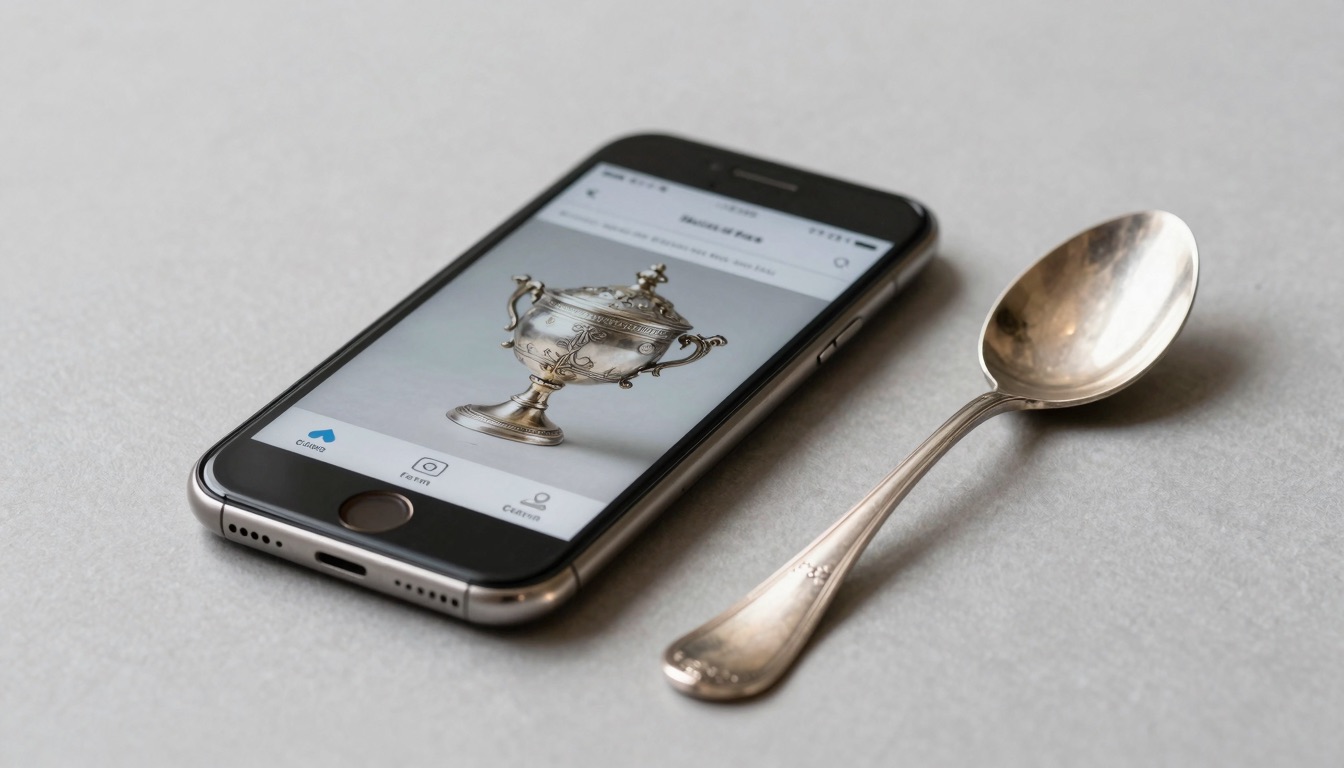
Curio Antique Identifier review: cost, accuracy, and alternatives
Curio Antique Identifier is a photo-first app that dates and values antiques in seconds. It costs around $4.99 weekly after a short free trial.
-
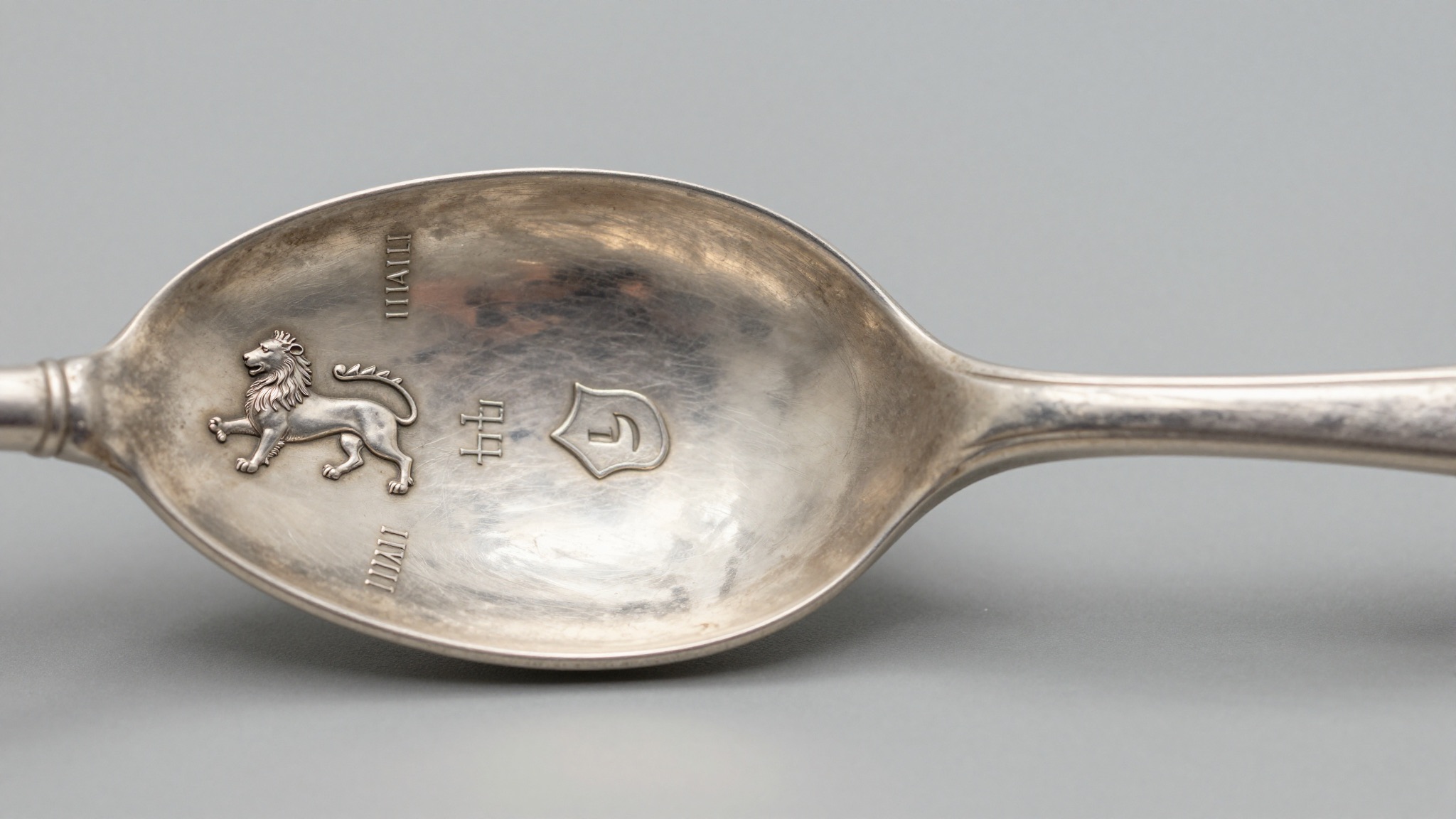
Silver date marks vs. date letters: what’s the difference?
A date letter is one specific hallmark: a single stamped letter giving the exact year. A date mark is the looser umbrella term for any mark that dates…
-
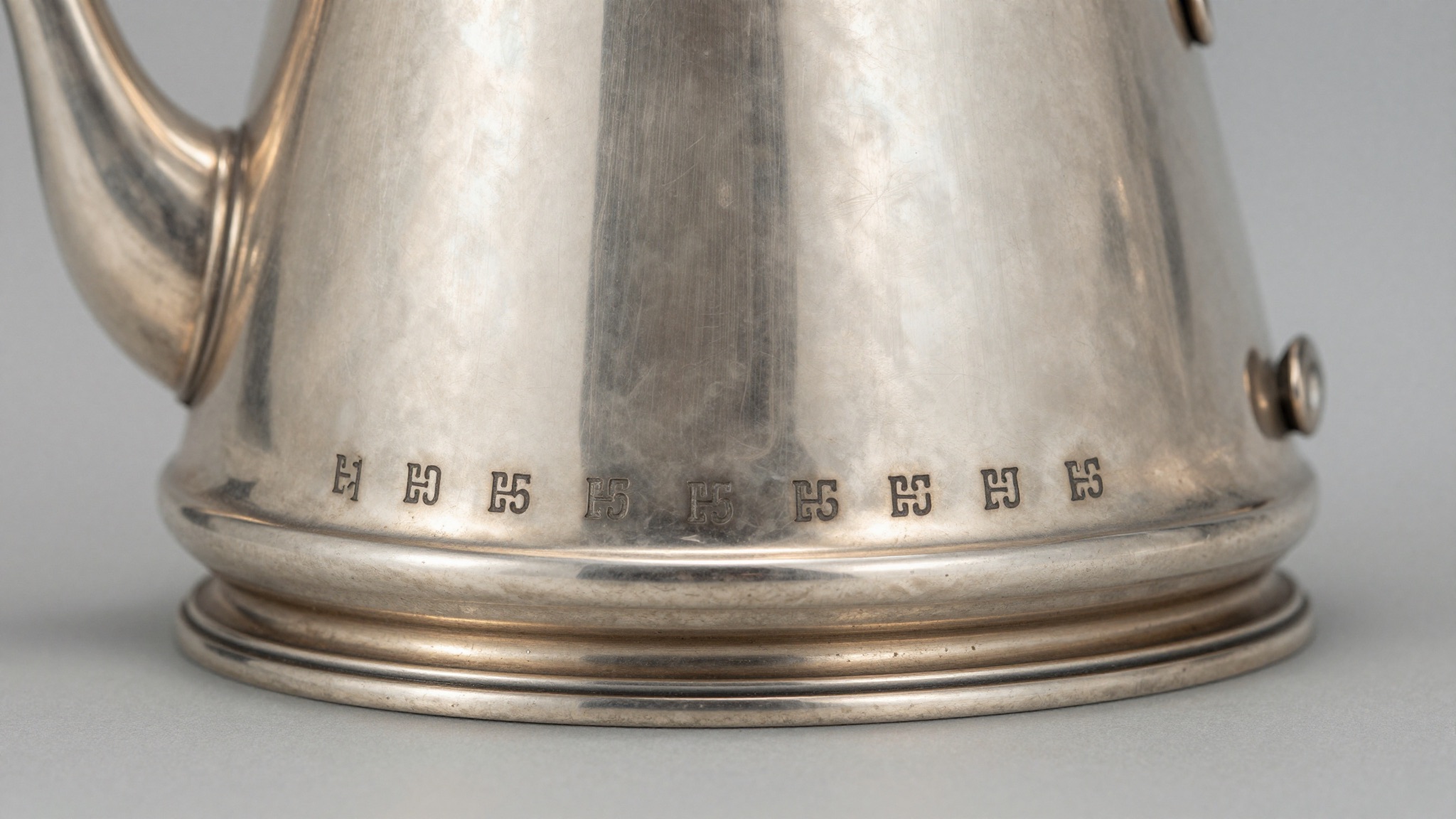
Where are hallmarks located on silver? A piece-by-piece guide
Silver hallmarks are usually located on the underside or back of a piece — near the base on holloware and on the stem of flatware, grouped in one…
-
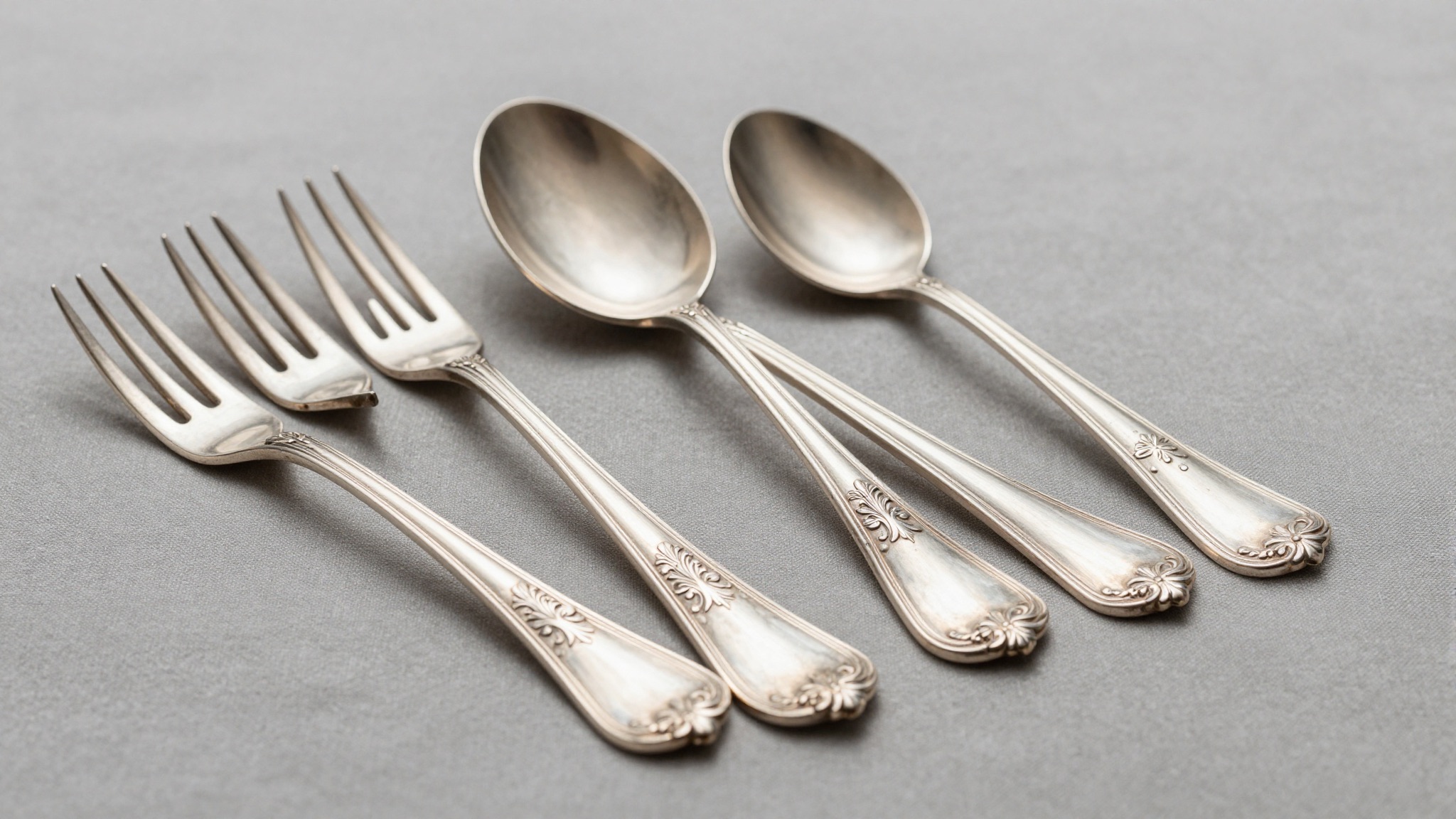
Sterling silver flatware value: what sets and patterns sell for
Sterling silver flatware value ranges from about $25 per piece to over $5,000 for a full set, driven by pattern, weight, maker, and completeness.
-
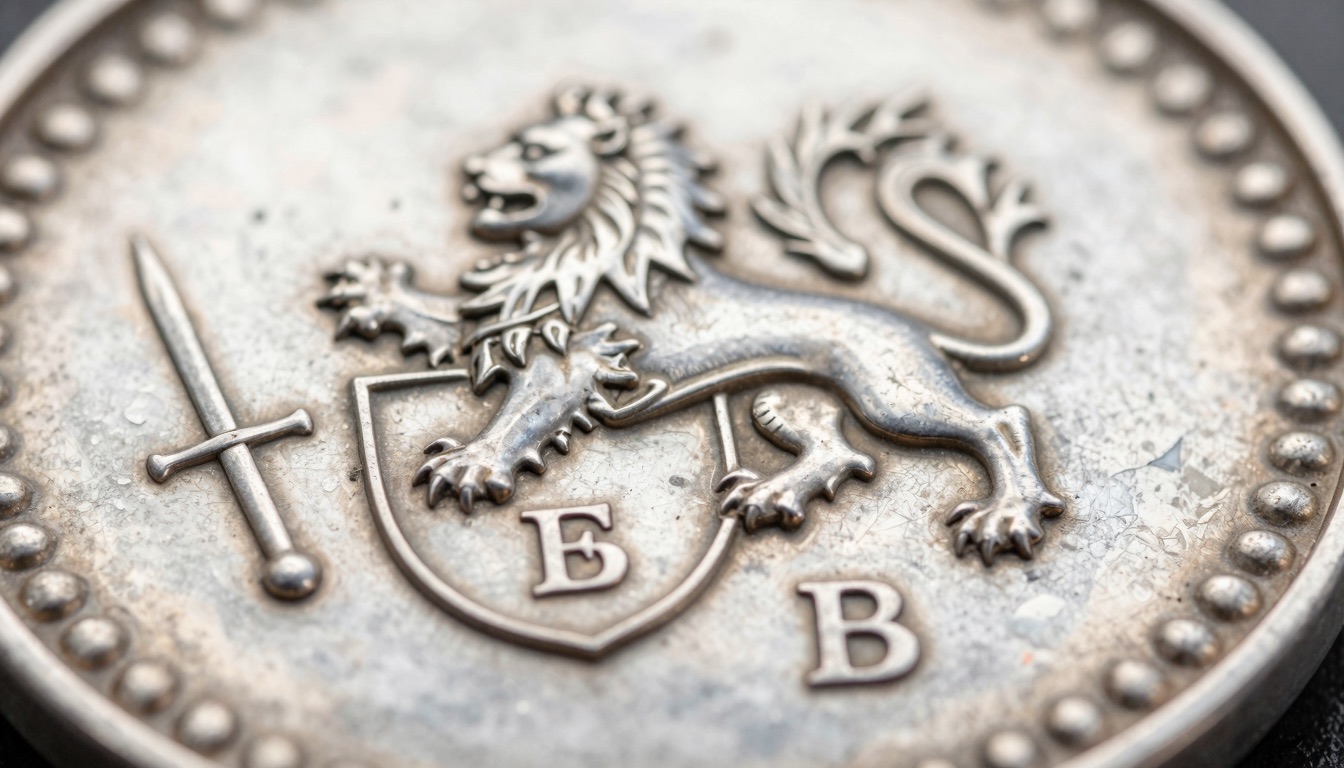
Dutch silver hallmarks: the lion, sword, and date letters explained
Dutch silver hallmarks combine a rampant lion for standard, a sword for .835 silver, and an annual date letter that pins the exact year.
-
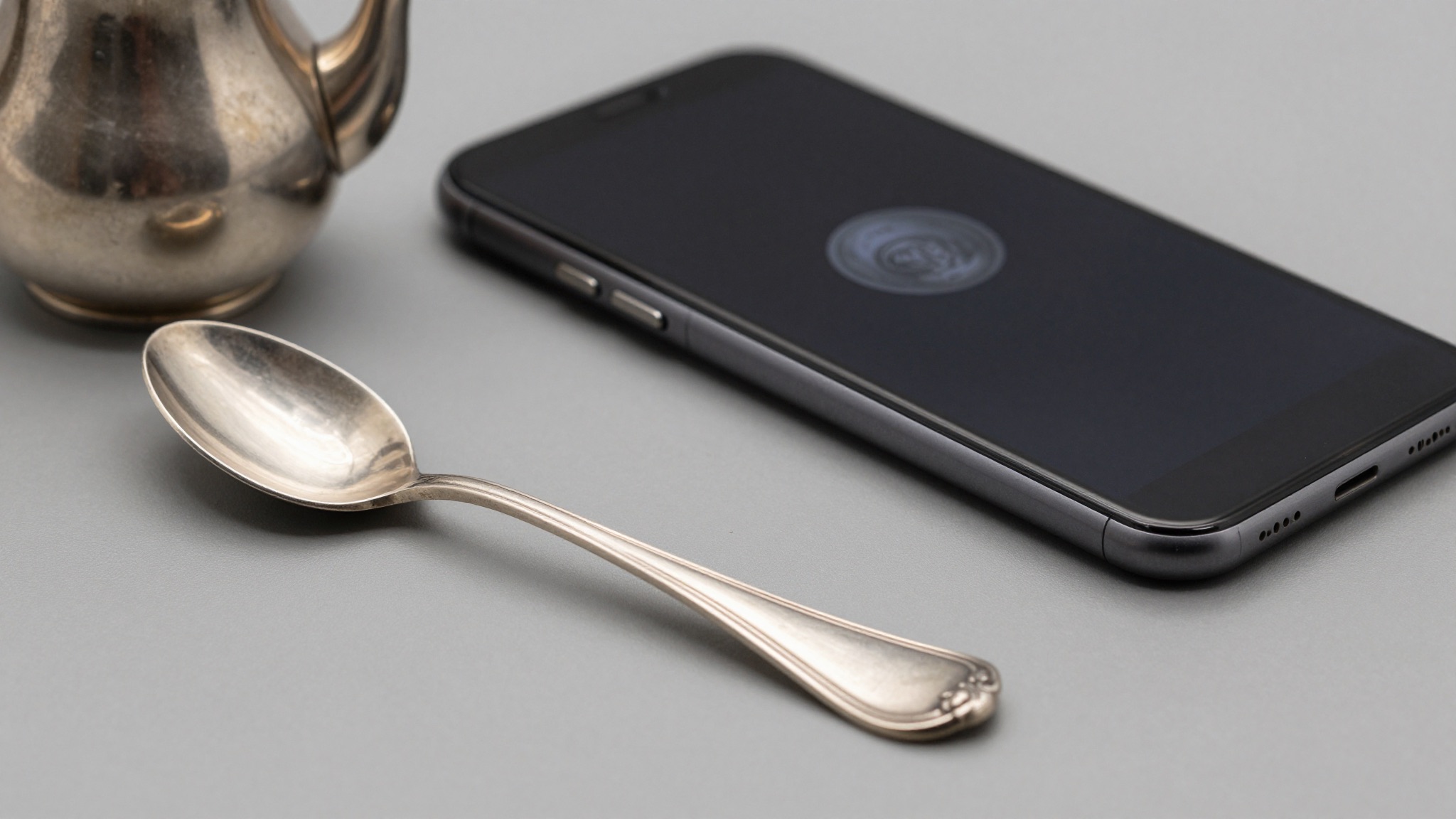
WorthPoint vs a silver identifier app: which values silver better?
WorthPoint values silver best for rare, signed pieces with sold-price comps. A silver identifier app wins for fast hallmark reading and everyday estimates.
-
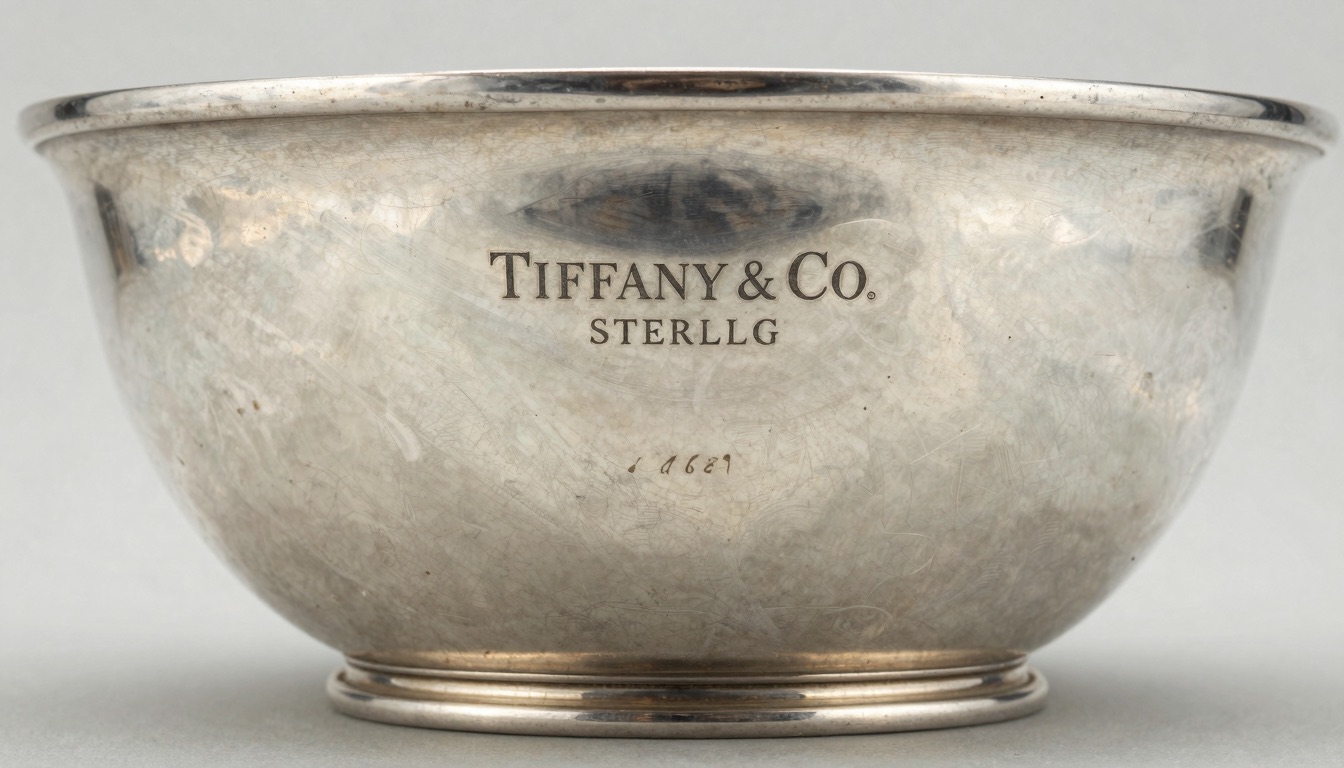
Tiffany & Co. sterling marks: dating and authentication
Genuine Tiffany & Co. sterling reads “TIFFANY & CO.”, “STERLING”, and “925-1000”. The wording and order-number letter date and authenticate the piece.
-
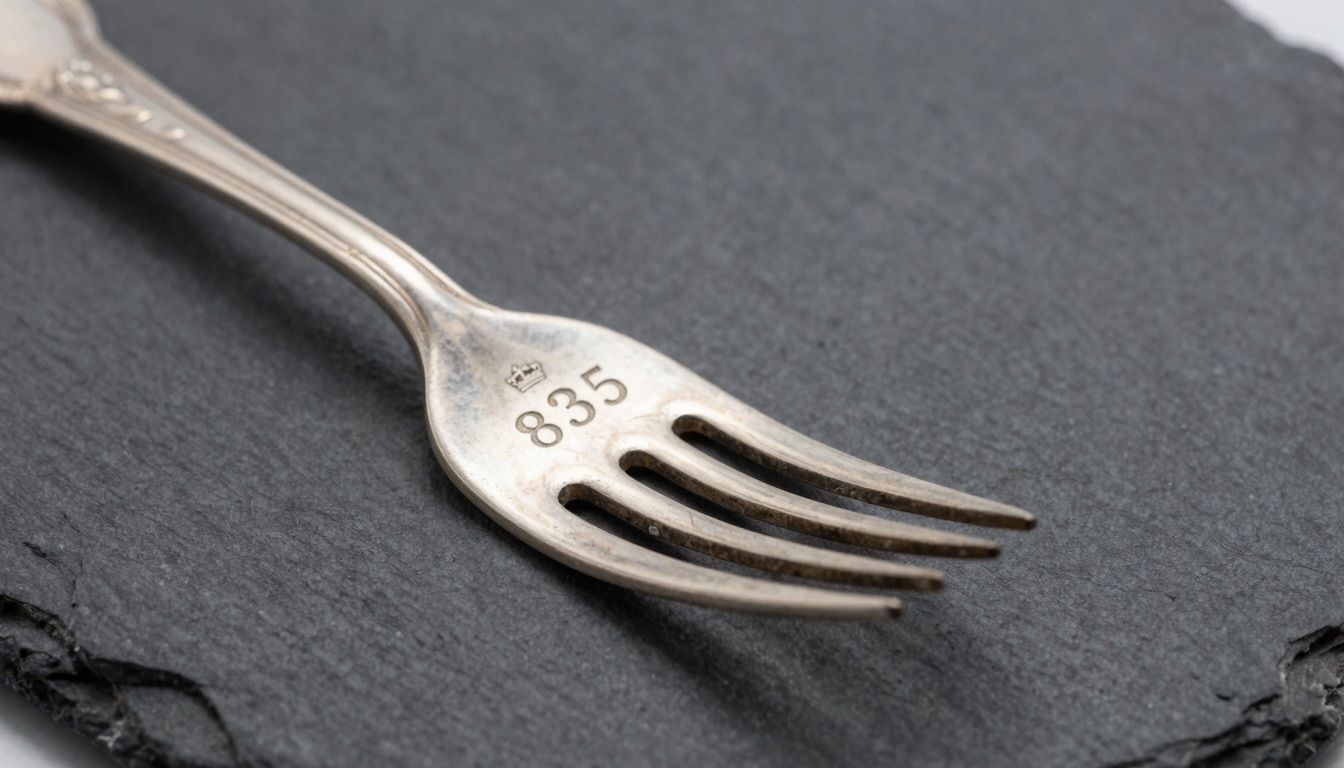
835 silver: purity, origin, and what your pieces are worth
The 835 silver mark means 83.5% pure silver, a Continental European standard. It confirms solid silver, just below sterling’s 92.5%.
-
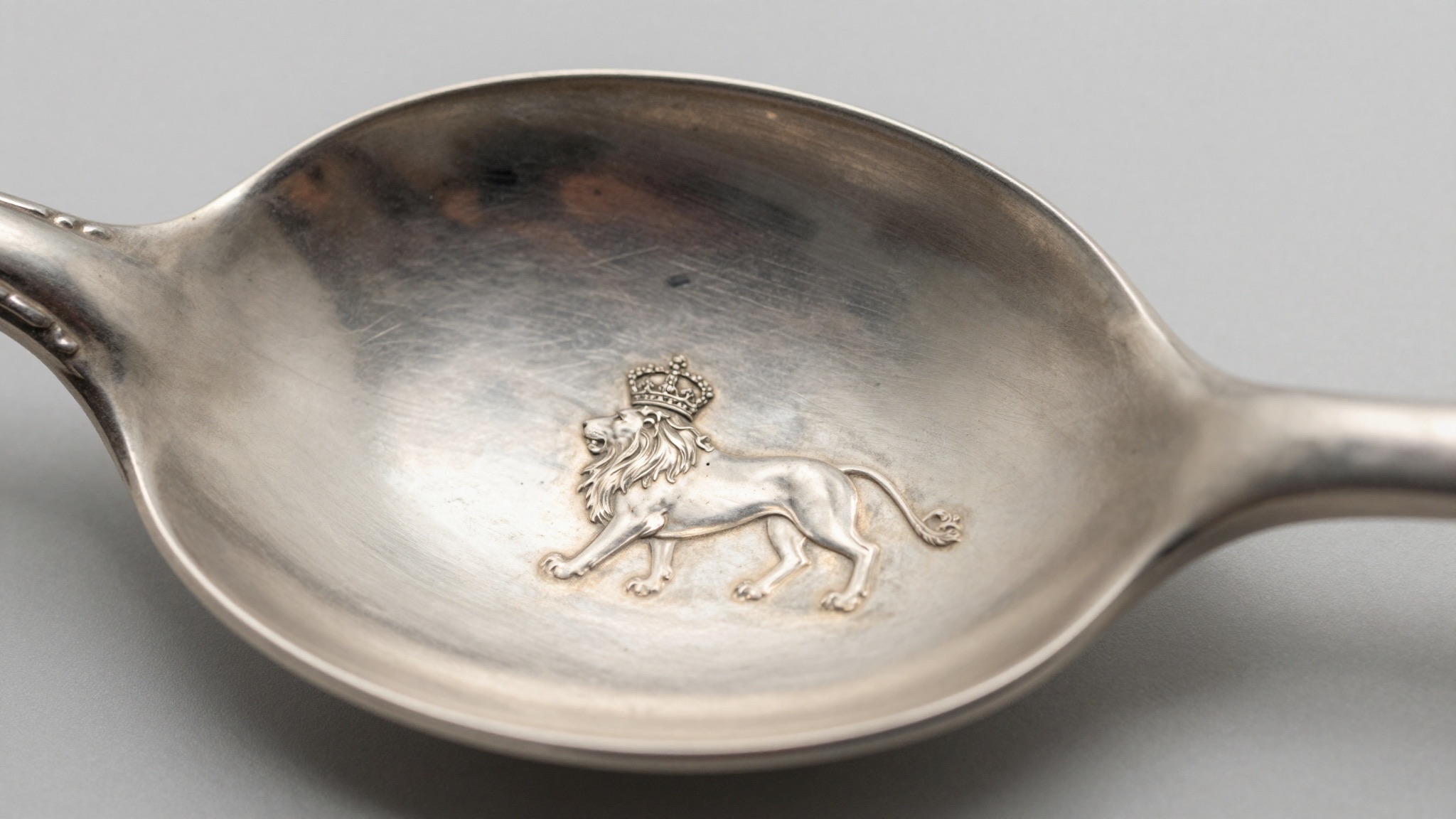
The crown mark on silver: Sheffield, London, and beyond
The crown on silver is most often Sheffield’s town mark, used from 1773 to 1974. After 1975, a Tudor rose replaced it as Sheffield’s symbol.